
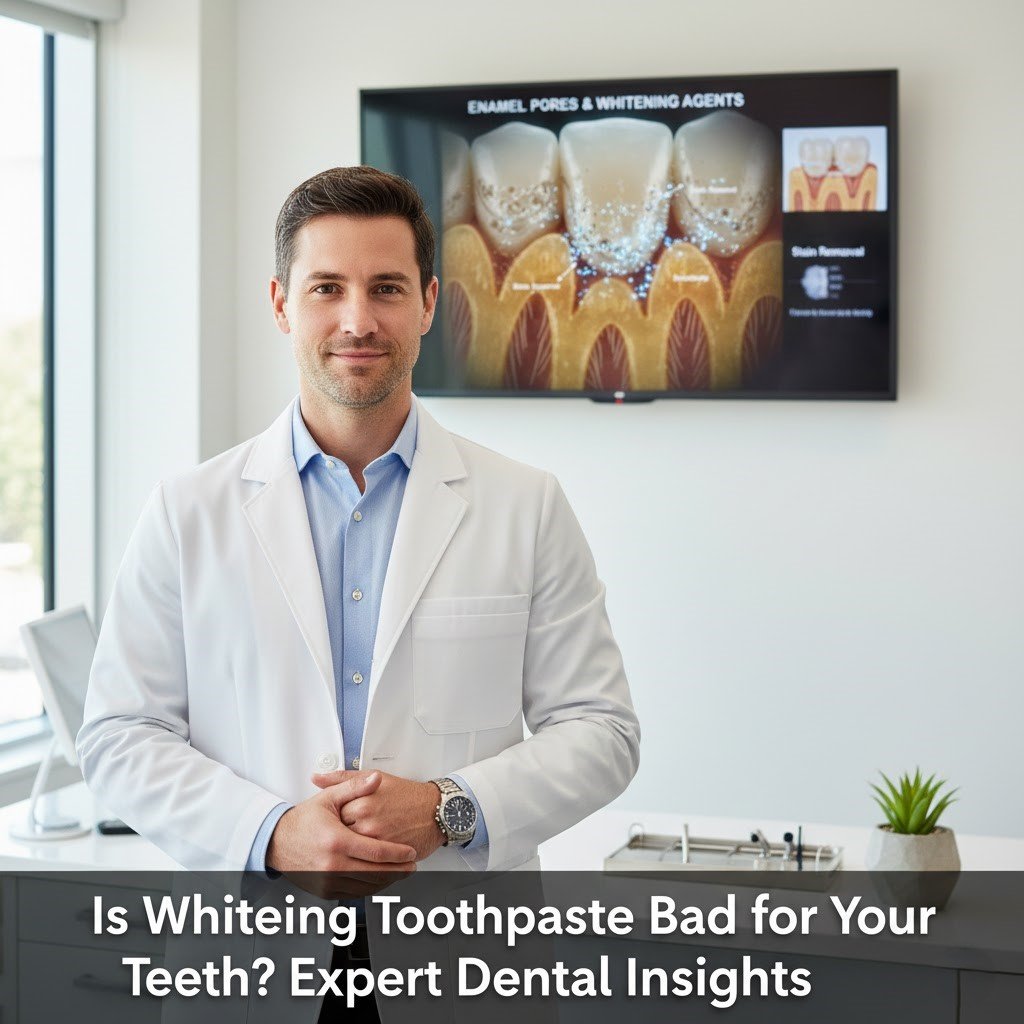
Is Whitening Toothpaste Bad for Your Teeth? Expert Dental Insights
We all want a “Hollywood smile”—bright, white, and flawless. To achieve this, many of us reach for the most convenient solution on the pharmacy shelf: whitening toothpaste. But as you scrub away, a nagging question often arises: is whitening toothpaste bad for your teeth? While these products promise to erase coffee stains and brighten your enamel, the boundary between “effective cleaning” and “permanent damage” can be thin.
Understanding how these pastes interact with your oral anatomy is crucial. In this guide, we will dive deep into the science of abrasivity, chemical agents, and long-term dental health to help you decide if your morning routine is helping or hurting your smile.
How Whitening Toothpaste Actually Works
To understand if these products are harmful, we first need to look at how they function. Unlike professional whitening treatments performed in a dental office, most over-the-counter whitening toothpastes do not actually change the internal color of your teeth.
Instead, they focus on surface stains (extrinsic stains). They typically use two primary methods:
- Mechanical Abrasives: Tiny particles like silica, calcium carbonate, or aluminum oxide act like “sandpaper” for your teeth, scrubbing away stains left by tea, coffee, or smoking.
- Chemical Agents: Some brands include low concentrations of hydrogen peroxide or carbamide peroxide to break down stains, or blue covarine, which creates an optical illusion of whiter teeth by coating the enamel.
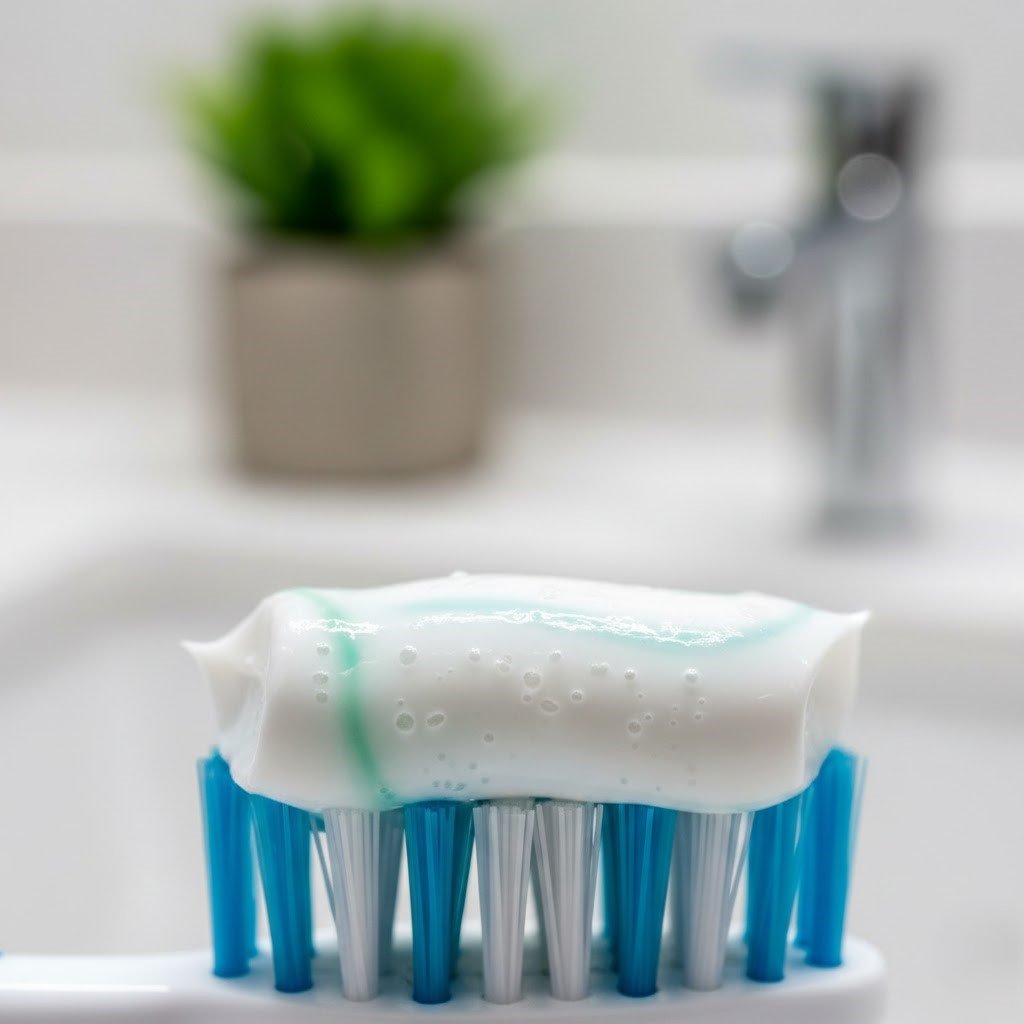
Caption: Abrasive particles in toothpaste help remove surface stains but can be harsh on thin enamel.
The Big Question: Is Whitening Toothpaste Bad for Your Teeth?
The short answer is: not necessarily, but it depends entirely on the product’s Relative Dentin Abrasivity (RDA) score and your specific dental history.
For a healthy individual with thick enamel, using an ADA-approved whitening toothpaste is generally safe. However, the “danger” arises from overuse and high abrasivity. If a toothpaste is too abrasive, it doesn’t just remove the stain; it begins to wear down the enamel itself. Once enamel is gone, it cannot grow back.
The Danger of Enamel Erosion
Enamel is the hardest substance in the human body, but it is not invincible. When you use highly abrasive whitening pastes daily, you risk enamel thinning. This leads to a paradoxical effect: your teeth may actually start to look more yellow because the yellowish layer underneath—the dentin—becomes visible through the thinned enamel.
Increased Tooth Sensitivity
One of the most common complaints among whitening toothpaste users is tooth sensitivity. Because these pastes often strip away protective layers or contain chemicals that can penetrate the tooth, the nerves inside become more susceptible to temperature changes. If you feel a sharp zing when drinking cold water, your whitening toothpaste might be the culprit.
Understanding RDA Scores: The Safety Scale
The American Dental Association (ADA) uses the Relative Dentin Abrasivity (RDA) scale to rank how “rough” a toothpaste is. Understanding this scale is the best way to protect your smile.
| RDA Value | Classification | Impact on Teeth |
| 0–70 | Low Abrasive | Safe for long-term use; gentle on enamel. |
| 71–100 | Medium Abrasive | Standard for most “regular” toothpastes. |
| 101–150 | Highly Abrasive | Common for “Intense” whitening brands. |
| 150–250 | Regarded as Harmful | Can cause significant wear over time. |
If you are concerned about your dental health, look for products with an RDA score below 100.
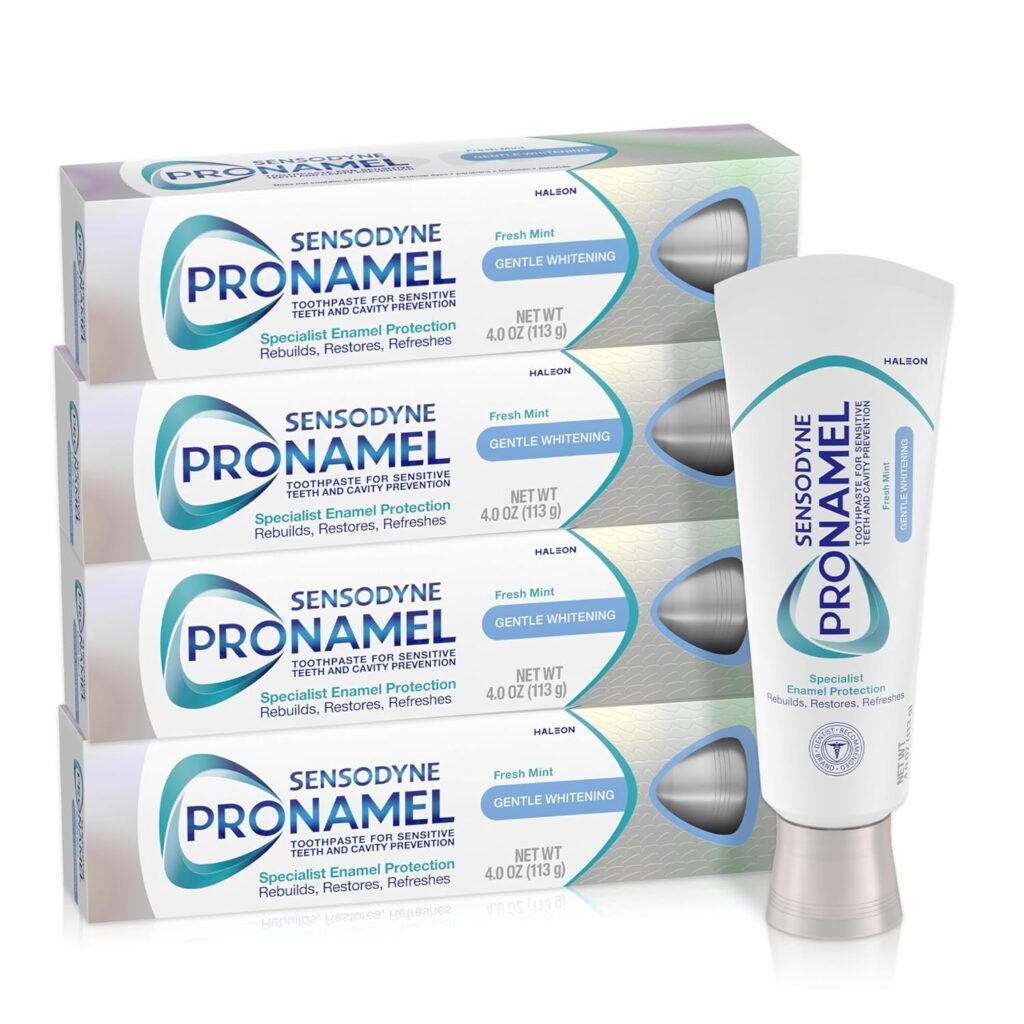
Many charcoal-based toothpastes, which have trended recently, often rank dangerously high on this scale and should be used with extreme caution.
Common Ingredients to Watch Out For
When scanning the back of your toothpaste tube, look for these key components:
- Hydrated Silica: A common abrasive. Safe in moderation, but found in high levels in “smokers’ toothpaste.”
- Hydrogen Peroxide: The gold standard for whitening. In toothpaste, the concentration is usually low (around 1–3%), which is safe for most but can cause gum irritation.
- Sodium Lauryl Sulfate (SLS): A foaming agent. While not a whitener, it can cause canker sores in sensitive individuals.
- Charcoal: Often marketed as “natural,” but many dentists warn that it is too abrasive for daily use and lacks fluoride, which is essential for cavity prevention.
Who Should Avoid Whitening Toothpastes?
Not everyone is a candidate for whitening products. You should consult a professional or switch to a “sensitive” formula if you have:
- Receding Gums: Whitening agents can be extremely painful if they touch the exposed roots of your teeth.
- Existing Restorations: Crowns, veneers, and fillings do not whiten. Using whitening paste may result in an uneven smile where your natural teeth change color but your dental work stays the same.
- Naturally Thin Enamel: If your teeth are already translucent or highly sensitive, stay away from abrasive pastes.
More Guides: How to Make Homemade Whitening Toothpaste: Recipes & Risks
Expert Tips for Using Whitening Toothpaste Safely
If you aren’t ready to give up your whitening paste, follow these “best practices” to minimize risk:
- Don’t Scrub Too Hard: Use a soft-bristled toothbrush. The toothpaste provides the “grit”; you don’t need to apply heavy pressure.
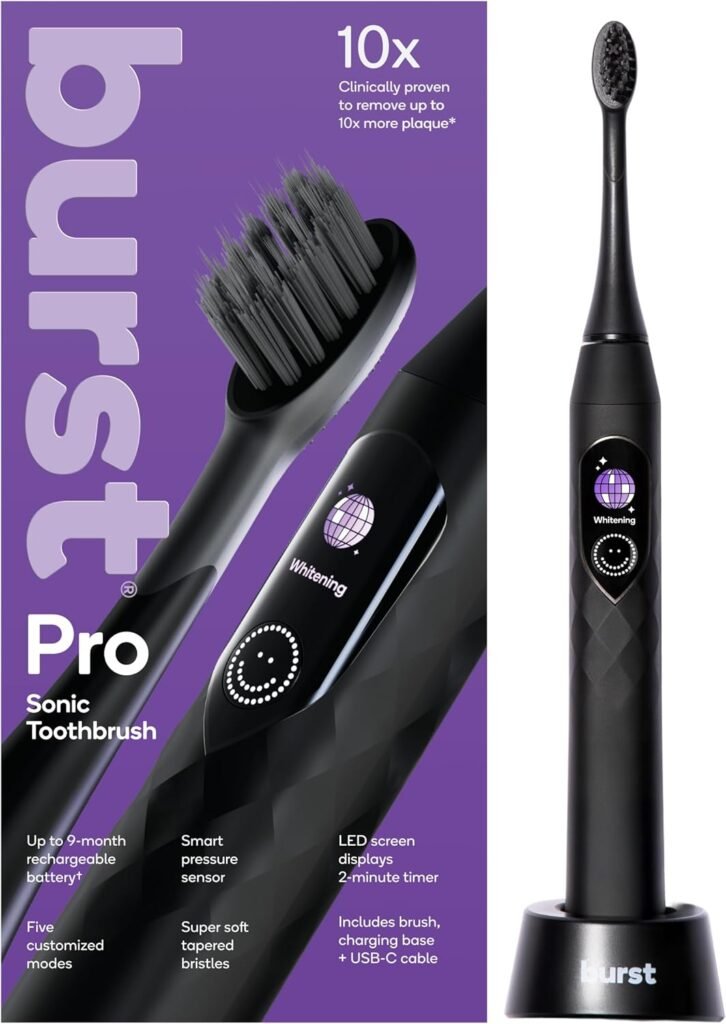
- Cycle Your Usage: Use a whitening toothpaste for one tube, then switch to a remineralizing or sensitive toothpaste for the next month.
- Wait After Eating: Acids in food soften enamel. Wait at least 30 minutes after eating before brushing to ensure your enamel has re-hardened.
- Look for the ADA Seal: Only buy products that have been clinically tested for safety and efficacy.
Safe Alternatives for a Brighter Smile
If you find that whitening toothpaste is bad for your teeth, specifically because of sensitivity, consider these alternatives:
- Professional In-Office Whitening: Dentists use controlled gels that are often more effective and safer for enamel than abrasive scrubbing.
- Electric Toothbrushes: High-quality electric brushes can remove more surface stains using standard, low-abrasive toothpaste.
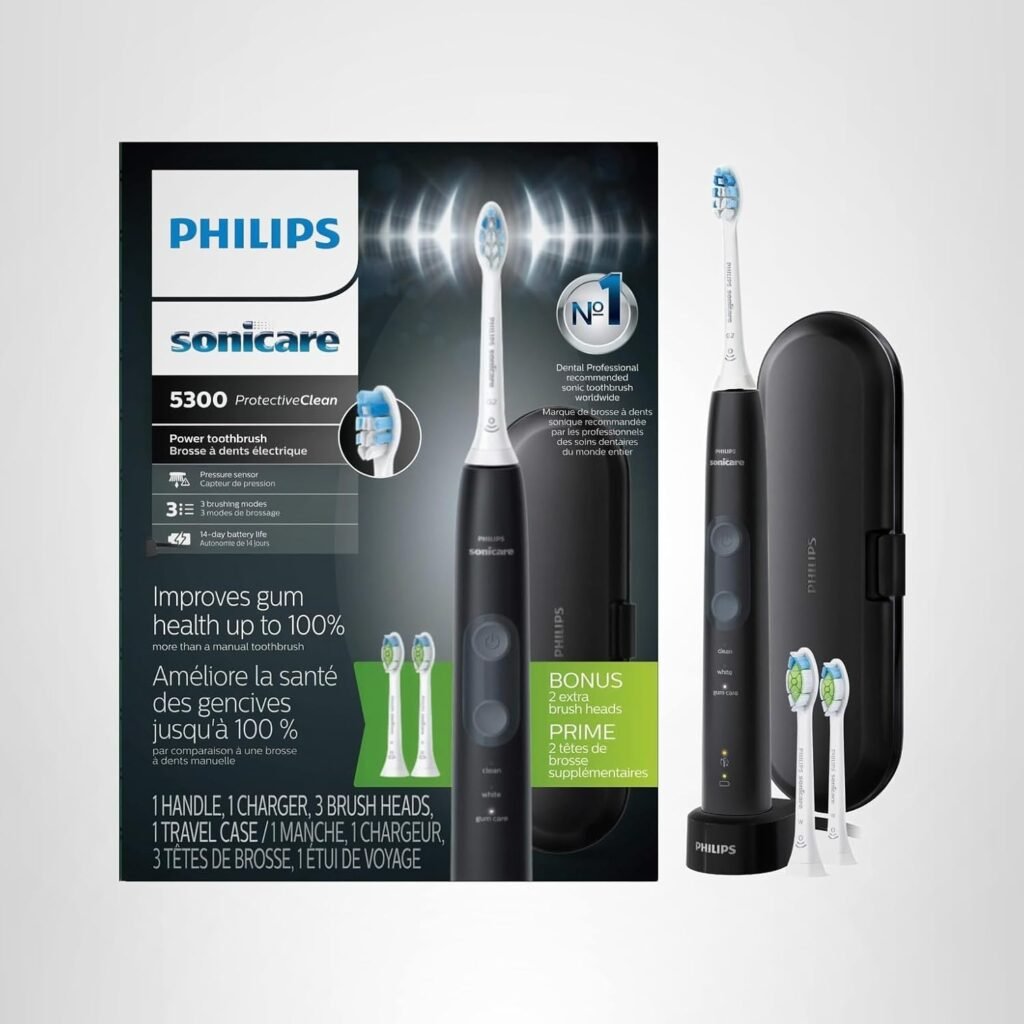
- Dietary Adjustments: Using a straw for coffee and tea, and rinsing with water after meals, can prevent stains from forming in the first place.
Choosing Your Next Steps
Maintaining a bright smile shouldn’t come at the cost of your long-term dental health. While whitening toothpaste is a convenient tool, it is not a “one size fits all” solution. If you notice increased sensitivity, gum redness, or a transparent look to your teeth, it is time to reassess your routine.
If you’re unsure about which products are right for your specific enamel type, or if you’ve experienced sensitivity and need a professional evaluation, we are here to help.
FAQs
1. Can whitening toothpaste cause permanent damage?
Yes, if the toothpaste is highly abrasive and used aggressively over many years, it can lead to permanent enamel erosion. Once enamel is lost, it cannot be naturally replaced.
2. Is it okay to use whitening toothpaste every day?
Most ADA-approved whitening toothpastes are designed for daily use, but if you have sensitive teeth or thin enamel, it is better to use them only 2–3 times a week or switch to a formula designed for sensitivity.
3. Why do my teeth look more yellow after using whitening toothpaste?
This usually happens because the enamel has become too thin, allowing the yellow dentin underneath to show through. This is a sign to stop using abrasive products immediately.
4. Does whitening toothpaste work on crowns or veneers?
No. Whitening agents only work on natural tooth structure. They will not change the color of porcelain, composite resin, or other dental restorations.
5. What is the safest whitening toothpaste?
The safest whitening toothpastes are those with a low RDA (under 70) and those that contain fluoride to help strengthen the enamel while they clean.
Conclusion
While the quest for a pearly white smile is common, the health of your enamel must remain the priority. Is whitening toothpaste bad for your teeth? When used correctly and chosen wisely, it is a helpful tool for surface stain removal. However, when overused or chosen based on “fads” like charcoal, it can lead to sensitivity and irreversible wear.
- Check the RDA score of your toothpaste.
- Prioritize enamel health over instant whitening.
- Consult a professional if you experience pain or sensitivity.
A beautiful smile is a healthy smile. Be mindful of the ingredients you use, and don’t hesitate to seek professional guidance to ensure your teeth remain strong for a lifetime.