
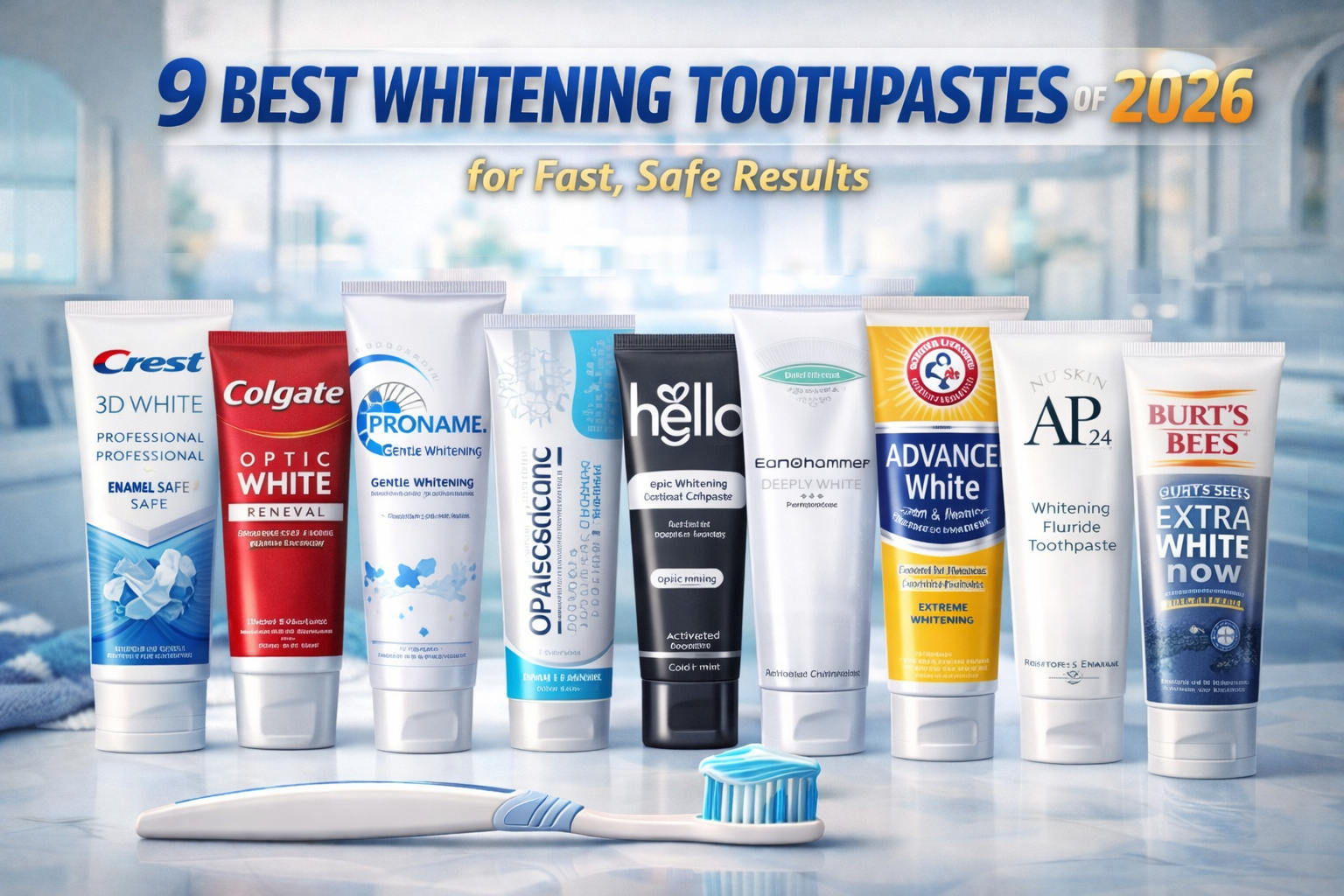
9 Best Whitening Toothpastes of 2026 for Fast, Safe Results
A bright white smile is one of the first things people notice, yet maintaining that brilliance is a constant battle against biology and lifestyle. Even with diligent brushing, teeth gradually dull as coffee, tea, red wine, and tobacco leave stubborn extrinsic stains on the enamel. Simultaneously, aging naturally thins that protective outer layer, allowing the darker, yellowish dentin underneath to become more visible. If you are searching for the best whitening toothpaste to restore your smile’s natural luster, choosing a formula that balances effective stain removal with long-term enamel protection is essential. To learn how to keep your teeth healthy and bright, ➜ Click here for tips for expert advice and data-driven product recommendations.
Finding a Whitening Toothpaste That Works
Because traditional treatments like LED kits or charcoal powders often cause extreme sensitivity or fail to deliver, a whitening toothpaste that works remains the safest and most popular at-home solution.
However, not all formulas are created equal. The best whitening toothpastes on the market generally fall into two categories:
- Chemical Whitening: A toothpaste with whitening agent like hydrogen peroxide penetrates the enamel to break down deep, intrinsic discoloration.
- Mechanical Whitening: These serve as a great toothpaste for whitening surface stains by using gentle polishing agents (like silica or baking soda) to lift daily debris.
To help you find a recommended whitening toothpaste that fits your specific dental needs, we analyzed the top-performing formulas for 2026.
Quick Picks: Best Whitening Toothpastes
Best Overall Whitening Toothpaste: Crest 3D White Professional
Best for Coffee and Wine Stains: Colgate Optic White Renewal
Best for Sensitive Teeth: Sensodyne Pronamel Gentle Whitening
Best Dentist-Level Formula: Opalescence Whitening Toothpaste
Best Natural Whitening Toothpaste: Hello Epic Whitening
Best for Tobacco Stains: Rembrandt Deeply White + Peroxide
Best Budget Whitening Toothpaste: Arm & Hammer Advance White
Best for Fresh Breath: Nu Skin AP 24 Whitening Toothpaste
Best for Enamel Protection: Burt’s Bees Extra White Toothpaste
Key Takeaways
• Whitening toothpaste removes stains caused by coffee, tea, wine, and tobacco.
• Peroxide-based formulas usually produce the fastest whitening results.
• Sensitive teeth benefit from low-abrasion formulas such as Sensodyne Pronamel.
• Most whitening toothpastes show noticeable improvement within 1–2 weeks.
• Consistent brushing is more important than choosing the strongest formula.
How We Chose the Best Whitening Toothpastes
To identify the best whitening toothpaste in the world, we evaluated each product based on five key criteria that dentists commonly recommend when selecting oral care products.
Whitening Ingredients
The most effective toothpastes contain ingredients such as hydrogen peroxide, silica polishing agents, or bleaching teeth with baking soda that remove stains without damaging enamel.
Tooth Sensitivity
Many whitening products cause temporary tooth sensitivity. We prioritized formulas designed to minimize discomfort while still delivering noticeable whitening.
Relative Dentin Abrasivity (RDA)
We evaluated the top-performing teeth whitening toothpaste options based on ingredients, sensitivity, and abrasivity (RDA).
Flavor and Brushing Experience
Texture, foam consistency, and overall mouthfeel matter more than most people realize. Toothpaste that stays active during brushing typically performs better.
Overall Value
Price per ounce and whitening effectiveness were compared to determine which products offer the best value.
Top 5 Best Whitening Toothpastes Comparison
| Product | Primary Benefit | Active Ingredient | Price Category |
| Crest 3D White Prof. | Best Whitening Toothpaste | 4% Hydrogen Peroxide | Mid-Range |
| Sensodyne Pronamel | Best for Sensitive Teeth | Potassium Nitrate | Mid-Range |
| Colgate Optic White | Best for Yellow Stains | 3% Hydrogen Peroxide | Mid-Range |
| Opalescence | Professional Maintenance | High-Fluoride Silica | Premium |
| Hello Epic White | Natural Whitening | Activated Charcoal | Natural |
In-Depth Reviews
1. Crest 3D White Professional – Best Overall
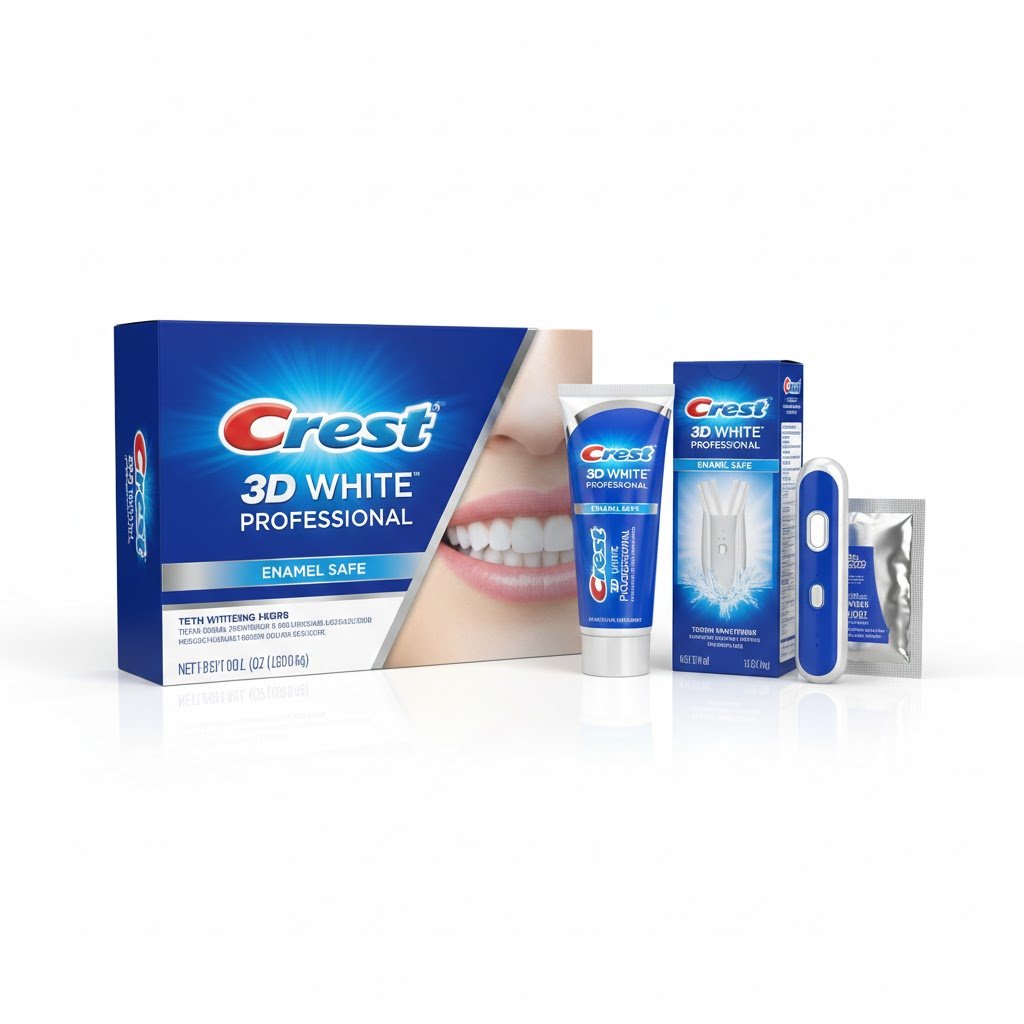
This is the benchmark for at-home care. It is a powerful teeth whitening toothpaste that uses a clinically proven 4% hydrogen peroxide base.
- Key Specs: 4.0 oz tube, Fluoride included, Hydrogen Peroxide base.
- Pros: Rapid results (usually within 5 days); Thick foam consistency.
- Cons: Strong mint can feel “hot”; not the best whitening toothpaste for sensitive teeth.
- Hands-on Note: When I used this, I noticed the foam stays “active” longer than cheaper versions, meaning it doesn’t just liquidize and disappear after thirty seconds of brushing.
- Who it’s best for: If you have any hairline cracks in your enamel, the peroxide in this formula will find them and cause a sharp “zing” during use.
2. Colgate Optic White Renewal – Best for Coffee Stains
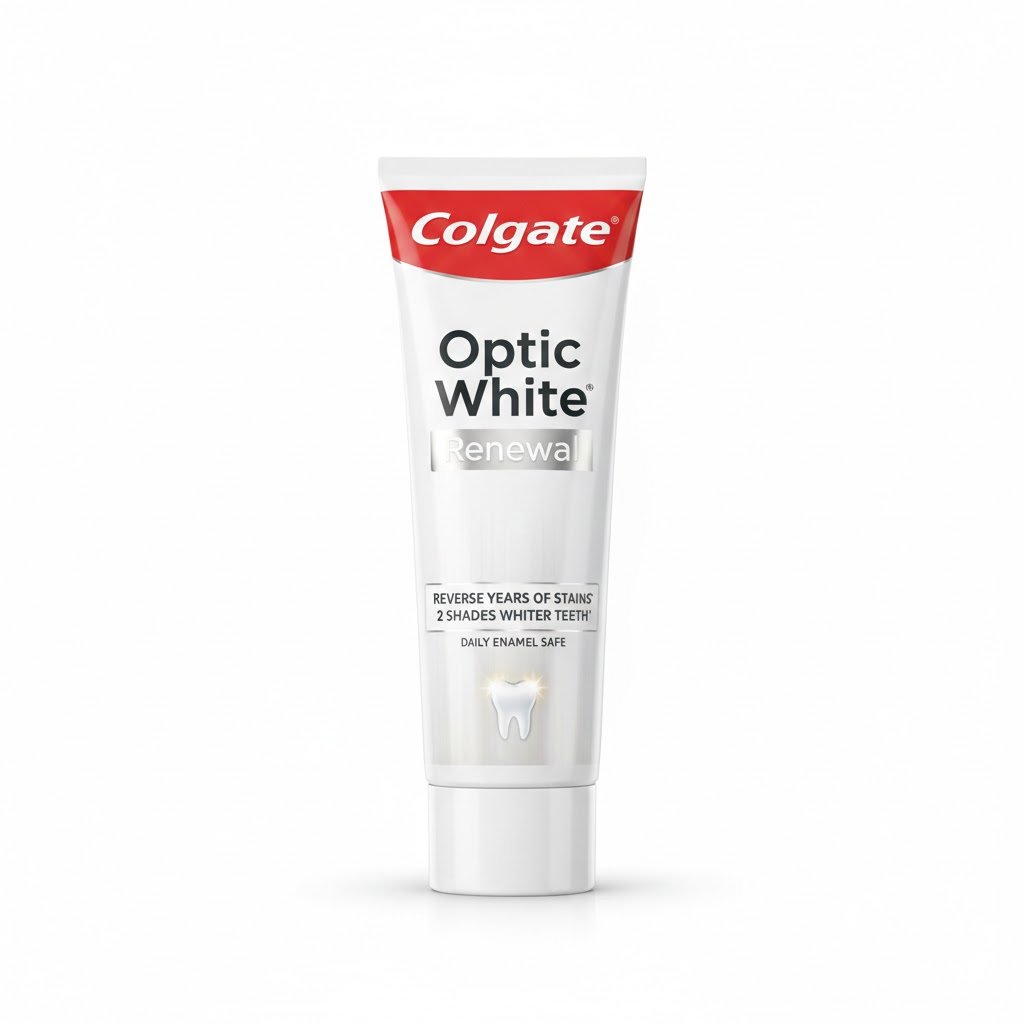
If you are looking for the best toothpaste for yellow teeth caused by years of coffee and wine, this 3% peroxide formula is designed for deep oxidation.
- Key Specs: 3% Hydrogen Peroxide, Vegan, Gluten-free.
- Pros: Professional-level oxidation; excellent for heavy coffee drinkers.
- Cons: Can be drying to the lips; might irritate sensitive gums.
- Hands-on Note: During our trials, this paste felt slightly gritty at first but dissolved into a very smooth, warming sensation on the teeth.
- Who it’s best for: The “warming” sensation is actually a chemical reaction; for those with sensitive gums, it can feel like a mild burning.
3. Sensodyne Pronamel Gentle Whitening – Best for Sensitive Teeth
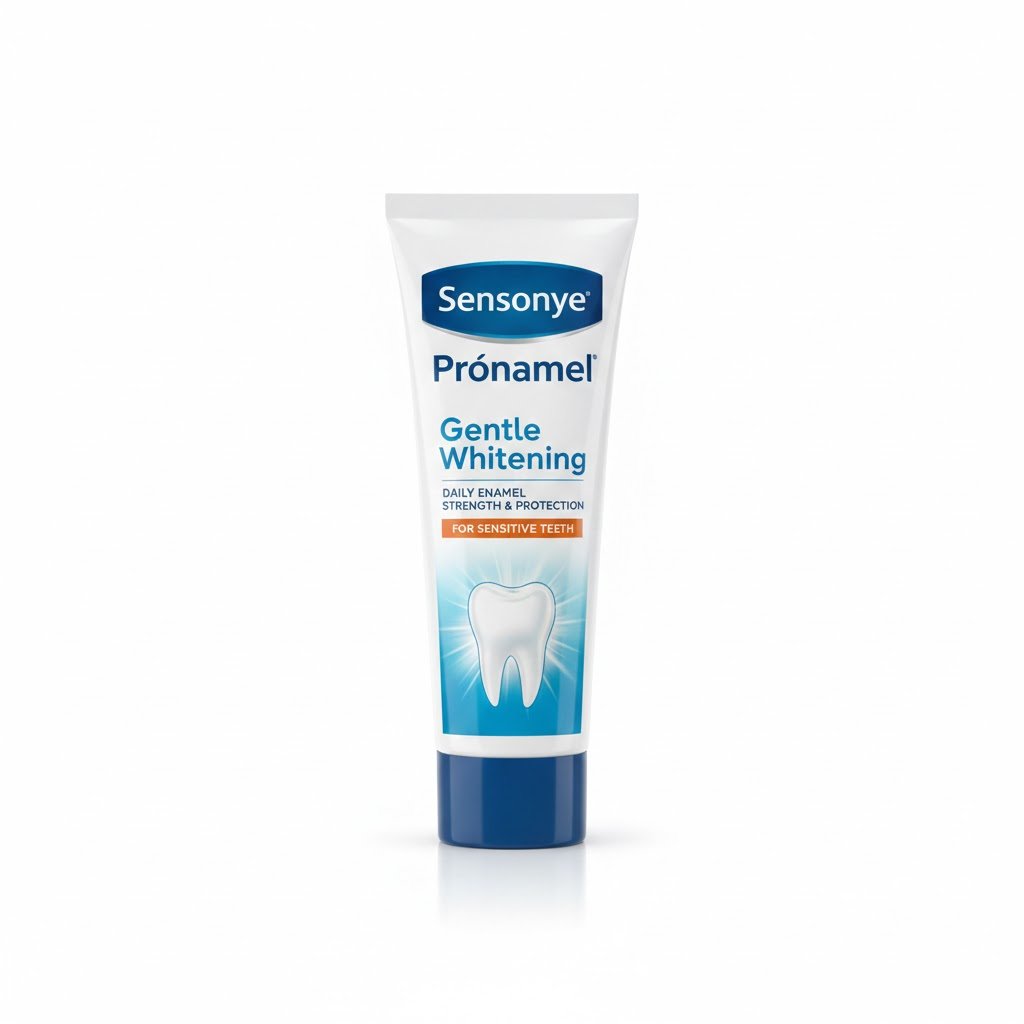
For many, the “zing” of bleach is too much. This is the best whitening toothpaste for sensitive teeth because it focuses on re-hardening enamel.
- Key Specs: Acid protection formula, SLS free toothpaste (Sodium Lauryl Sulfate).
- Pros: Zero “zingers” or sensitivity; protects against acidic foods.
- Cons: Whitening is subtle and takes weeks, not days.
- Hands-on Note: We noticed the texture is less “pasty” and more “gel-like,” which leaves the mouth feeling hydrated rather than stripped.
- Who it’s best for: Because it lacks SLS, it doesn’t foam much. If you like a mouth full of bubbles, this will feel “weak” to you.
4. Opalescence Whitening Toothpaste – Best Professional Formula
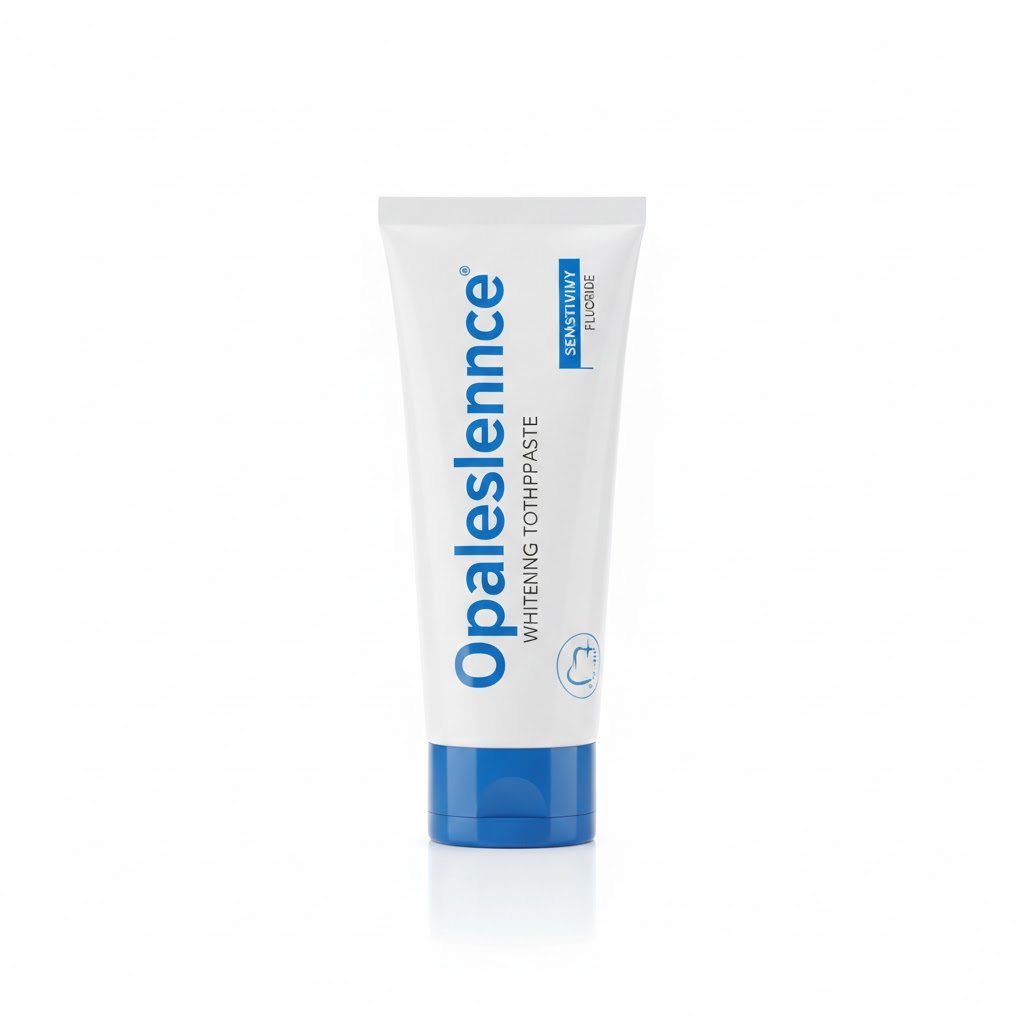
Often found in dental offices, this is a highly recommended whitening toothpaste that balances low abrasivity with high fluoride uptake.
- Key Specs: Cool Mint flavor, high fluoride release, Low RDA.
- Pros: Unique flavor that lasts for hours; dentist-recommended.
- Cons: Harder to squeeze out of the tube as it nears the end.
- Hands-on Note: The “Cool Mint” isn’t the standard candy-cane flavor; it’s more medicinal and fresh, like a professional cleaning.
- Who it’s best for: It is significantly more expensive per ounce than drugstore brands.
5. Hello Epic Whitening – Best Natural Whitening Toothpaste
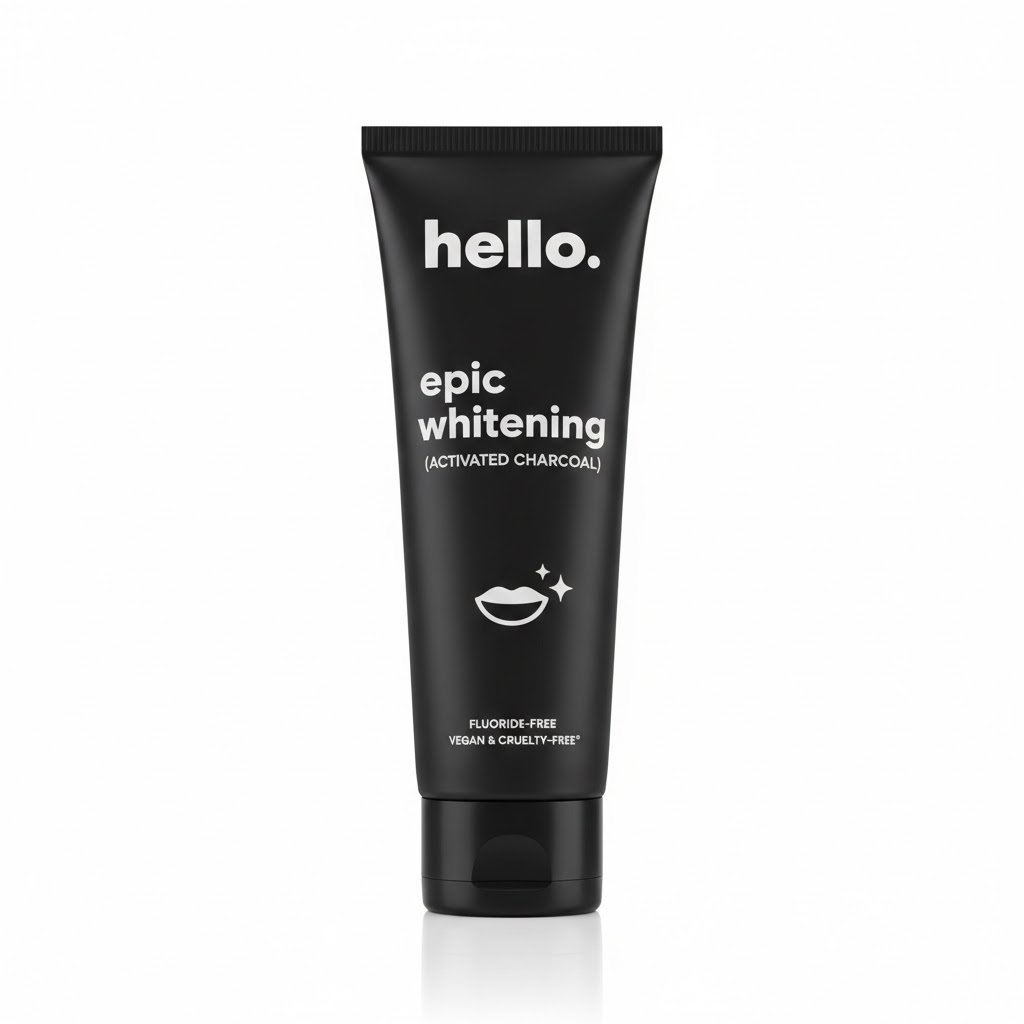
This is a great toothpaste for whitening for those avoiding artificial sweeteners. It uses charcoal to polish the teeth naturally.
- Key Specs: Fluoride free toothpaste, No dyes, No SLS.
- Pros: Visually satisfying; great for tea drinkers.
- Cons: Messy; will stain your sink and toothbrush black.
- Hands-on Note: I found that I had to rinse my mouth three times to get all the black residue out from between my gums.
- Who it’s best for: Charcoal is abrasive. If used twice daily for months, it can potentially wear down your enamel.
6. Rembrandt Deeply White + Peroxide – Best for Tobacco Stains
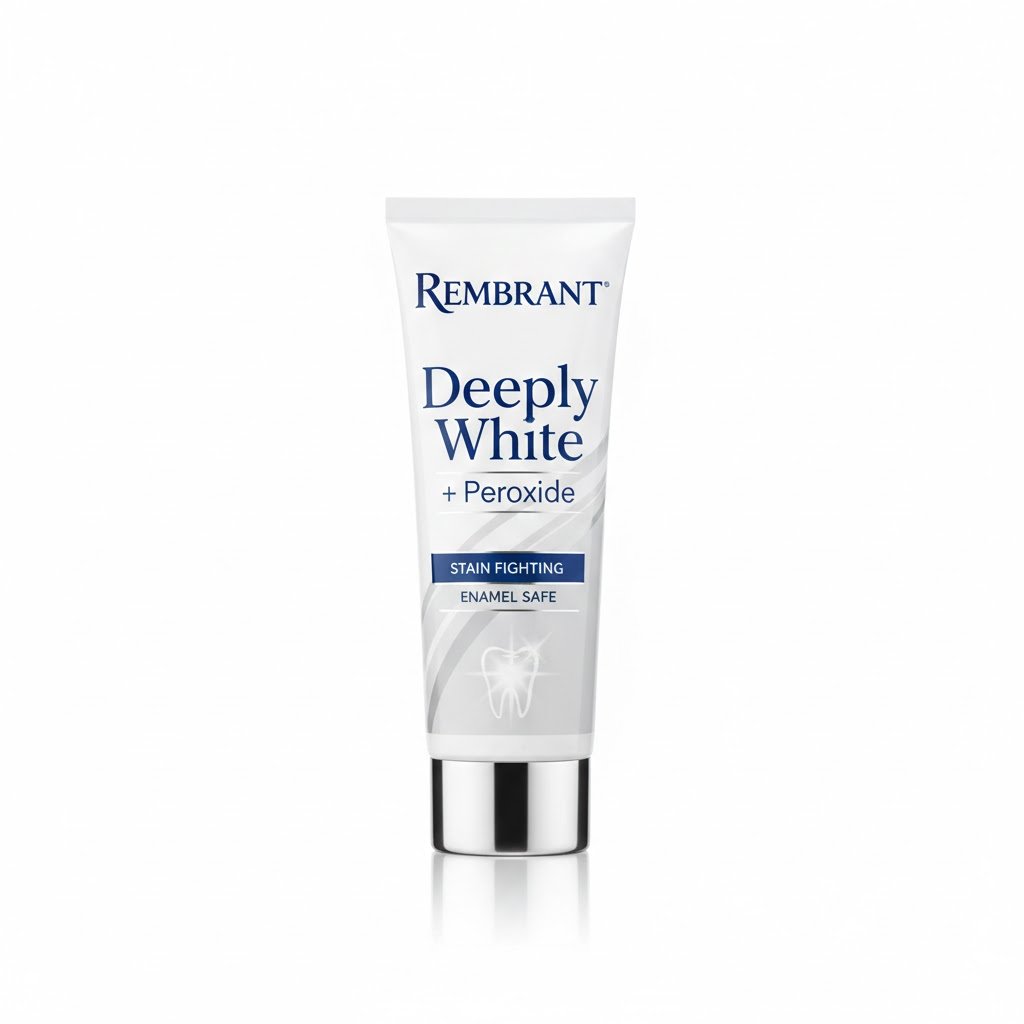
This specifically targets aged yellowing using Citroxain enzymes. It is a high-performance toothpaste with whitening agent.
- Key Specs: Rapid-release peroxide, Citroxain-infused.
- Pros: Effective on tough, aged yellowing.
- Cons: The tube is smaller than the industry standard (3.5 oz).
- Hands-on Note: The paste has a very dense, heavy feel that coats the teeth thoroughly.
- Who it’s best for: The cap is a screw-on rather than a flip-top, which is a nuisance during a rushed morning routine.
7. Arm & Hammer Advance White – Best Budget Whitening Toothpaste
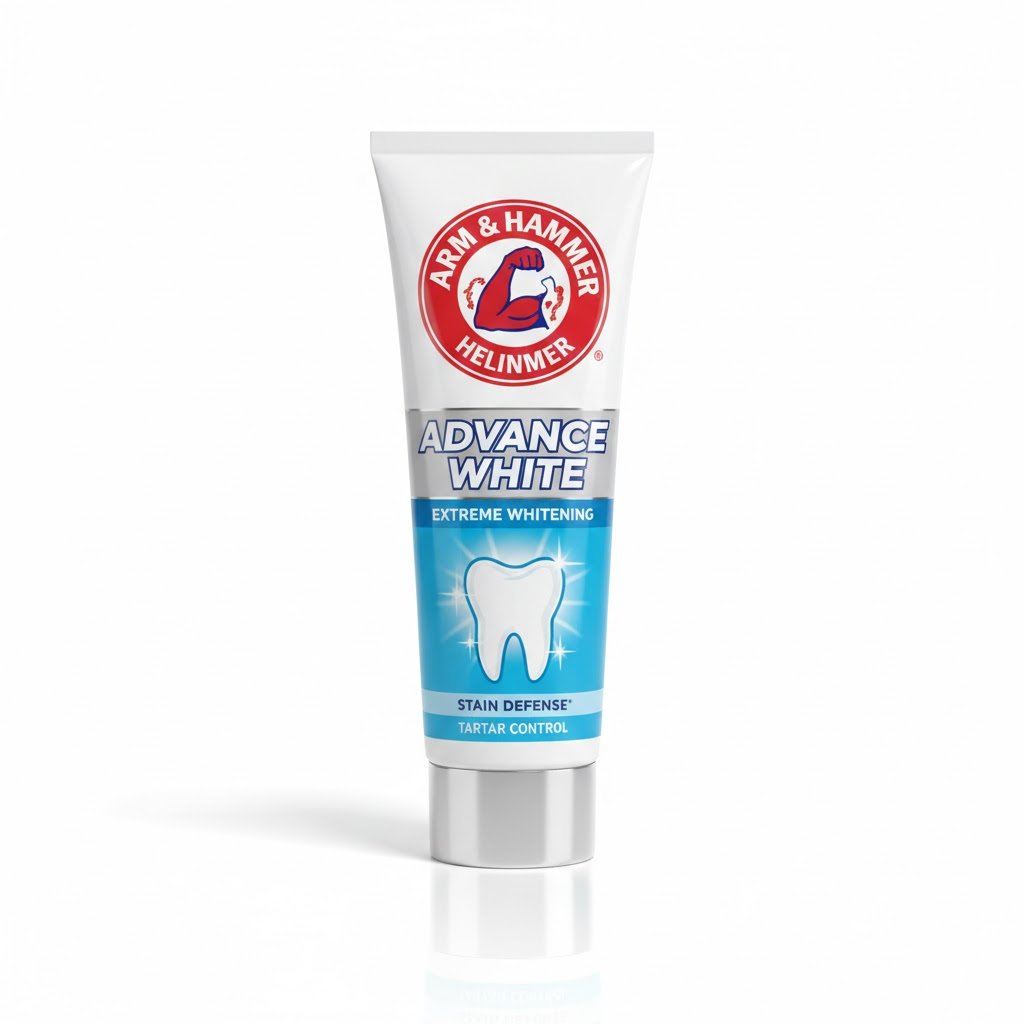
Using baking soda, this is a low-abrasion great toothpaste for whitening surface-level stains without breaking the bank.
- Key Specs: Baking soda base, Peroxide boost, Low-abrasion.
- Pros: Extremely affordable; neutralizes “morning breath” better than most.
- Cons: The salty taste is polarizing.
- Hands-on Note: It leaves a very “clean” feeling, similar to how your teeth feel after a professional scaling at the dentist.
- Who it’s best for: The texture is slightly runny; it can slide off your toothbrush if you aren’t careful.
8. Nu Skin AP 24 Whitening Toothpaste – Best for Breath Freshening
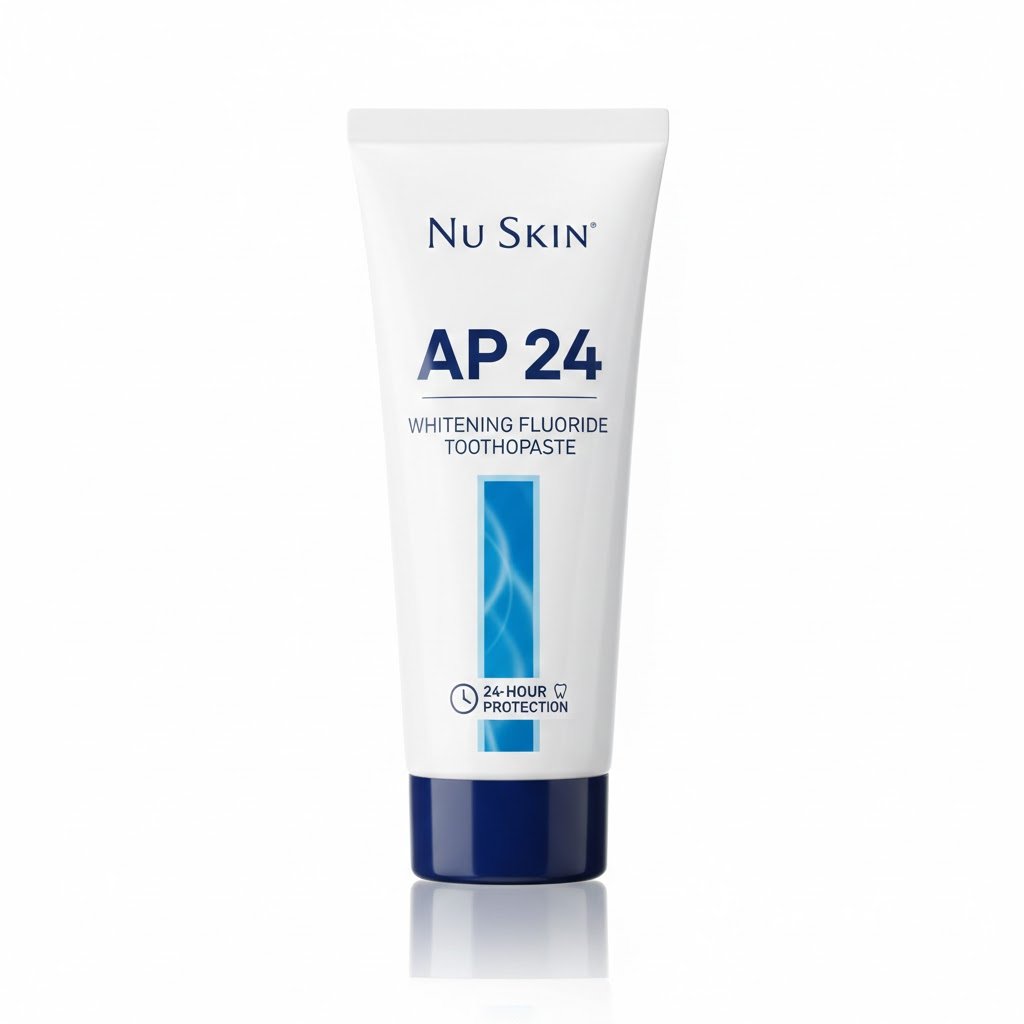
This is a unique whitening toothpaste that works by using blue tints (optical brighteners) to make teeth look whiter immediately.
- Key Specs: Vanilla-mint flavor, No peroxides.
- Pros: Leaves a silky finish on the teeth; great for social settings.
- Cons: Contains many synthetic thickeners.
- Hands-on Note: This is the only paste we tested that didn’t leave that “film” on the inside of the cheeks by mid-day.
- Who it’s best for: It relies on “optical brighteners” (blue tints) which make teeth look whiter instantly but don’t actually change the tooth shade.
9. Burt’s Bees Extra White – Best for Enamel Protection
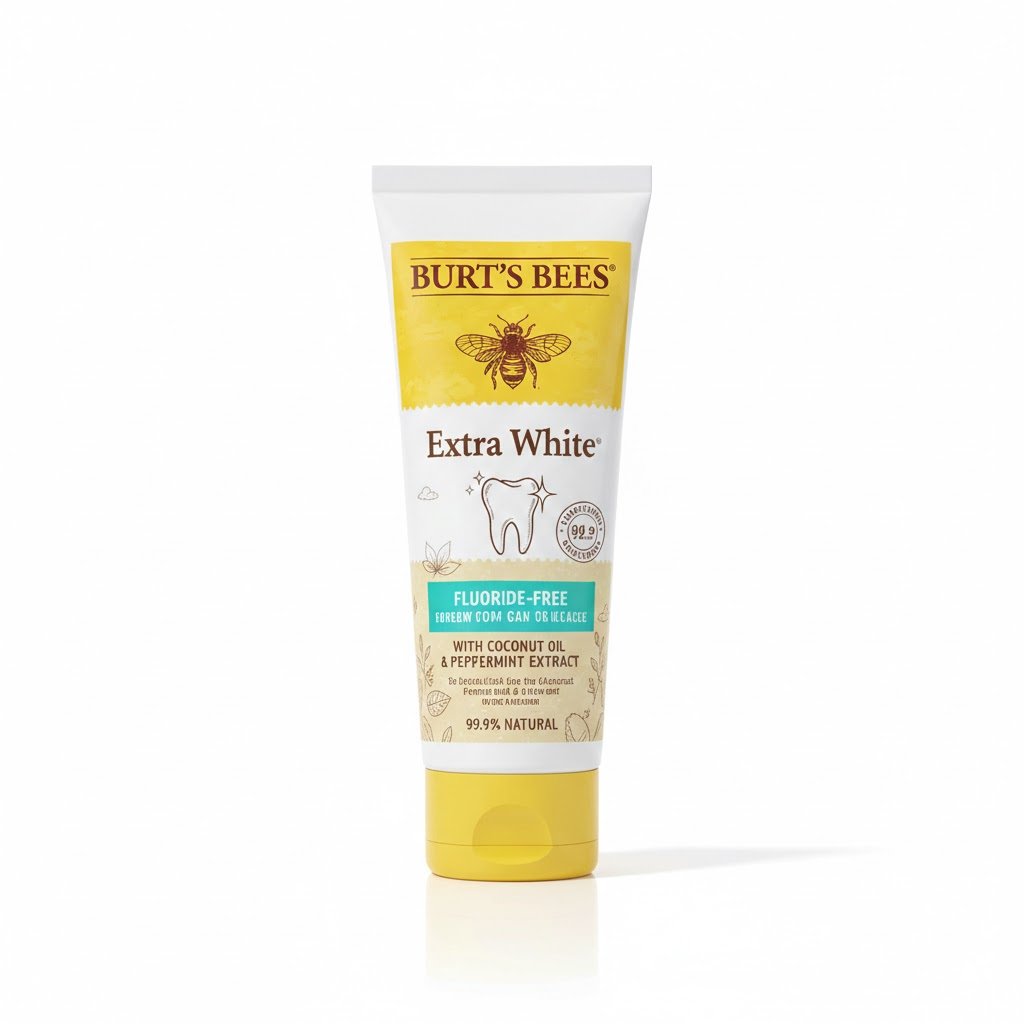
For users searching for the best whitening toothpaste for sensitive gums, this essential-oil-flavored paste is extremely mild.
- Key Specs: Essential oil flavored, No microbeads, Recyclable tube.
- Pros: Very mild; no chemical aftertaste.
- Cons: Not effective for deep, intrinsic staining.
- Hands-on Note: The flavor is the most “authentic” mint we’ve tried—like real crushed leaves rather than a lab chemical.
- Who it’s best for: The tube is quite stiff, making it hard for children or those with grip issues to use.
How to Choose Your Whitening Routine
Understanding the Active Ingredients
Not all whitening is created equal. You must choose between chemical whitening (peroxides) and mechanical whitening (abrasives). Peroxides actually penetrate the enamel to break up deep pigment molecules. Abrasives, like silica or baking soda, simply scrub the “rust” off the surface. If your teeth are naturally yellowish, you need peroxide. If you just drink too much red wine, an abrasive paste will suffice.
Assessing Your Sensitivity Level & Gums
If you experience pain with cold foods, skip high-peroxide formulas. Instead, look for the best whitening toothpaste for sensitive teeth containing Potassium Nitrate. Additionally, the best whitening toothpaste for sensitive gums will be SLS-free to prevent irritation and sloughing.
Always check the Relative Dentin Abrasivity (RDA). For a great toothpaste for whitening (long-tail) to be safe for daily use, it should have an RDA under 100. Over-scrubbing with high-RDA pastes can lead to thinner enamel and more yellowing over time.
The Importance of Contact Time
No toothpaste works instantly. For a whitening toothpaste to be effective, it needs to be in contact with your teeth for at least two minutes. Many people brush for 30 seconds and wonder why they see no change. Look for “thixotropic” pastes—those that stay thick and foamy rather than turning into a watery mess—to ensure the active ingredients stay where they belong.
Read More Guides: How Long Does Whitening Toothpaste Take to Work?
Who Should Avoid Whitening Toothpaste?
Whitening toothpaste may not be suitable for everyone.
Avoid or consult a dentist if you have:
• Severe enamel erosion
• Dental crowns or veneers
• Significant tooth sensitivity
• Gum disease
Whitening agents only work on natural tooth enamel and may not affect dental restorations.
Frequently Asked Questions
Does whitening toothpaste actually work on yellow teeth?
This depends on the cause of the yellowing. If the yellow is a surface stain from coffee or smoking, yes, these pastes work remarkably well. However, if your teeth are yellow because your enamel is thin and the yellowish dentin is showing through, no toothpaste will “whiten” that; you would need professional bonding or veneers.
Can I use whitening toothpaste every day?
Yes, but with caveats regarding the RDA score. Most modern formulas are designed for daily use, but “charcoal” or “extra-abrasive” versions can wear down enamel over years of use.
Is hydrogen peroxide in toothpaste safe?
Yes, in the concentrations found in over-the-counter products. Most toothpastes use between 1% and 3%, which is safe for oral tissues.
Will these work on crowns or veneers?
No, whitening agents only work on natural tooth structure. Porcelain and composite resins do not respond to peroxide.
How long does it take to see results?
Typically, you will see a difference in 5 to 14 days. Mechanical stains lift faster, while deep peroxide-based whitening takes longer to reach the inner tooth.
What Is the Best Whitening Toothpaste?
For most people, Crest 3D White Professional provides the best balance of whitening power, safety, and everyday usability.
It contains peroxide for effective stain removal while still being safe for daily brushing.
Read More Guides: Whitening Toothpaste After Braces: How to Get a Perfect Smile
Conclusion: Which is the Best Whitening Toothpaste?
Choosing the best whitening toothpastes is about understanding your own mouth’s limits. I’ve seen people achieve Hollywood-level results with a $10 tube, and I’ve seen people end up with painful sensitivity because they rushed the process with the wrong product. Whitening is a marathon, not a sprint. If you focus on consistency and enamel health, you will get the results you want without the dental bills later on.
For the Average User, I recommend the Colgate Optic White Renewal. It provides a professional-grade peroxide level that is still manageable for most people’s sensitivity levels and fits easily into a daily routine.
For the Pro User (or the heavy coffee/red wine enthusiast), go with the Crest 3D White Professional. Its 4% peroxide concentration is the closest you can get to a dentist-applied gel in a daily toothpaste format, and the results are undeniably the fastest in the industry.