
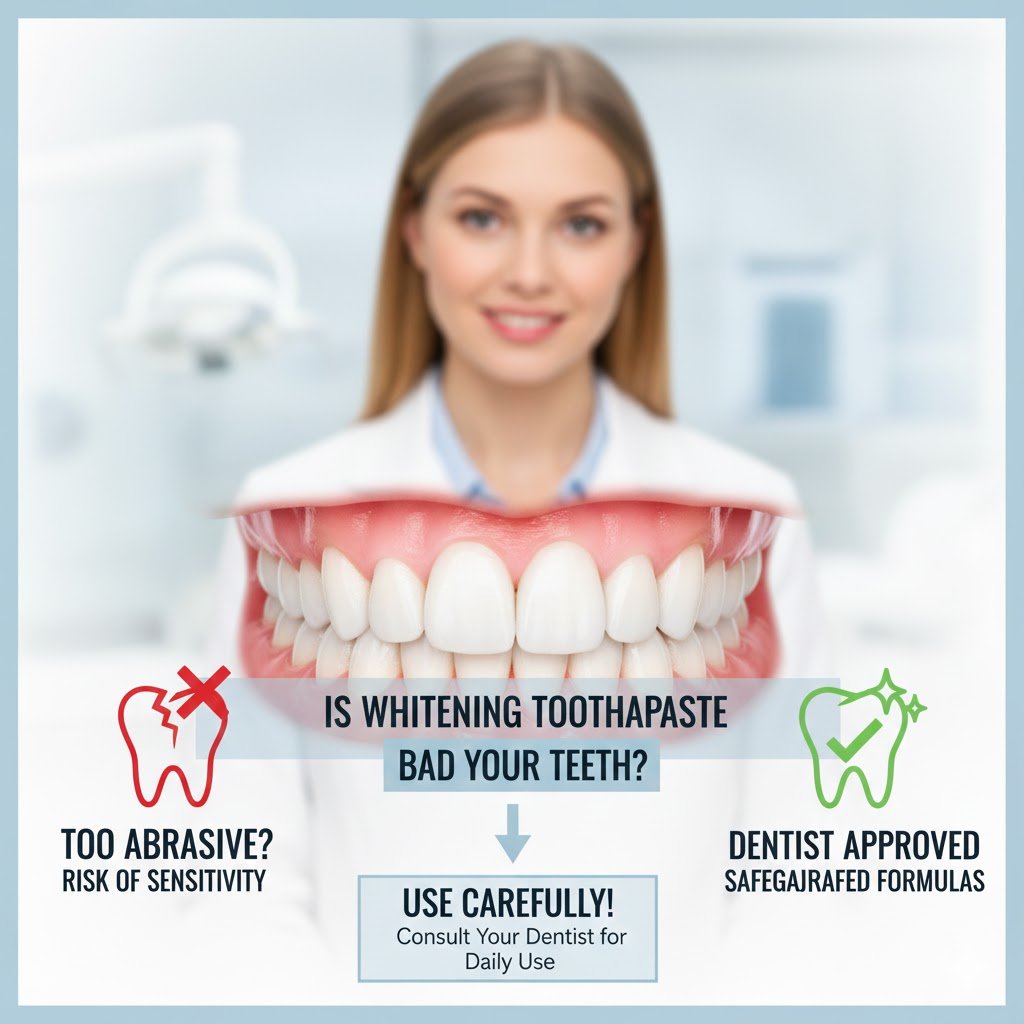
Is Whitening Toothpaste Bad for Your Teeth? What Dentists Want You to Know
Walking down the dental aisle can be overwhelming. Dozens of boxes promise “5 shades whiter in 3 days” or “professional-grade results at home.” It sounds like a dream for anyone looking to brighten their smile, but it often leads to a nagging question: Is whitening toothpaste bad for your long-term dental health?
Many people notice that after a few weeks of use, their teeth feel a bit more “zingy” when drinking cold water, or their gums feel slightly irritated. This isn’t just in your head. While these products are generally regulated and safe for the general public, they aren’t a “one size fits all” solution. Understanding how these pastes work—and what they are doing to your enamel—is the first step in achieving a radiant smile without compromising your oral health.
How Whitening Toothpaste Actually Works
To understand if whitening toothpaste is “bad,” we first have to demystify what it actually does. Most people assume these toothpastes “bleach” the teeth like a professional treatment at a dental office. In reality, most over-the-counter whitening pastes work through mechanical abrasion rather than chemical change.
- Surface Stain Removal: These products contain abrasive particles like silica, calcium carbonate, or dicalcium phosphate. These act like tiny scrubbers to lift away surface stains from coffee, tea, or smoking.
- Chemical Dissolvents: Some brands include low concentrations of hydrogen peroxide or carbamide peroxide. However, because the paste is only on your teeth for two minutes, these chemicals rarely stay in contact long enough to change the internal color of the tooth.
- Biofilm Management: By removing the protein layer (pellicle) that attracts stains, these pastes help prevent new discolorations from forming.
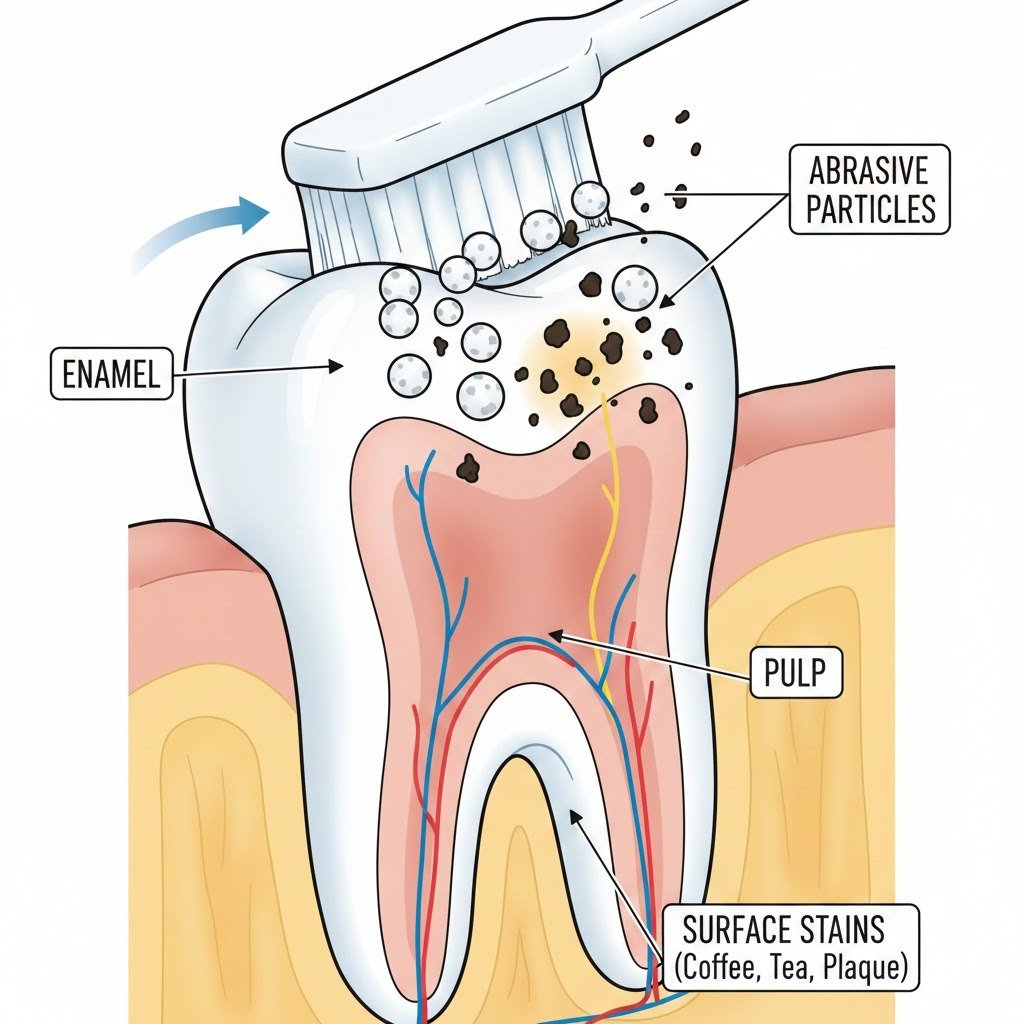
Whitening toothpastes primarily target the outer enamel to remove extrinsic (surface) stains.
Is Whitening Toothpaste Bad for Your Enamel?
The short answer is: not if used correctly and if your teeth are healthy. However, the “bad” reputation often comes from the Relative Dentin Abrasion (RDA) scale.
Every toothpaste has an RDA value. A “standard” toothpaste usually sits around 60–80. Some whitening toothpastes can soar to 150 or even 200. If you use a high-abrasion paste with a hard-bristled toothbrush and a heavy hand, you are essentially “sanding” away your enamel over time.
Once enamel is gone, it does not grow back. As the enamel thins, the yellowish layer underneath (the dentin) becomes more visible. Ironically, overusing highly abrasive whitening toothpaste can make your teeth look more yellow in the long run because you are wearing away the white outer shell.
The Warning Signs of Overuse
If you are wondering if your current routine is causing harm, look for these common symptoms:
- Increased Sensitivity: Sharp pains when consuming hot or cold foods.
- Gum Recession: Irritated or “shrinking” gum lines due to harsh abrasives.
- Transparent Edges: The bottom edges of your teeth start to look see-through or bluish.
- Chronic Redness: Your gums appear consistently inflamed despite good flossing habits.
Comparing Whitening Methods: A Quick Look
| Method | How it Works | Safety Level | Best For |
| Whitening Toothpaste | Physical Abrasives | Safe (Daily use varies) | Surface stains (Coffee/Tea) |
| Whitening Strips | Chemical Bleach | Moderate (Risk of sensitivity) | Mild internal yellowing |
| Professional Trays | High-Concentration Gel | High (Dentist Supervised) | Significant discoloration |
| Charcoal Toothpaste | High Abrasion | Low/Caution | Occasional use only |
The Hidden Danger of “Natural” Whitening Pastes
In recent years, charcoal and baking soda pastes have exploded in popularity. Many consumers assume “natural” equals “safe,” but this is often a misconception in dentistry. Activated charcoal is often extremely abrasive and lacks fluoride, which is essential for remineralizing the enamel that the charcoal is scrubbing.
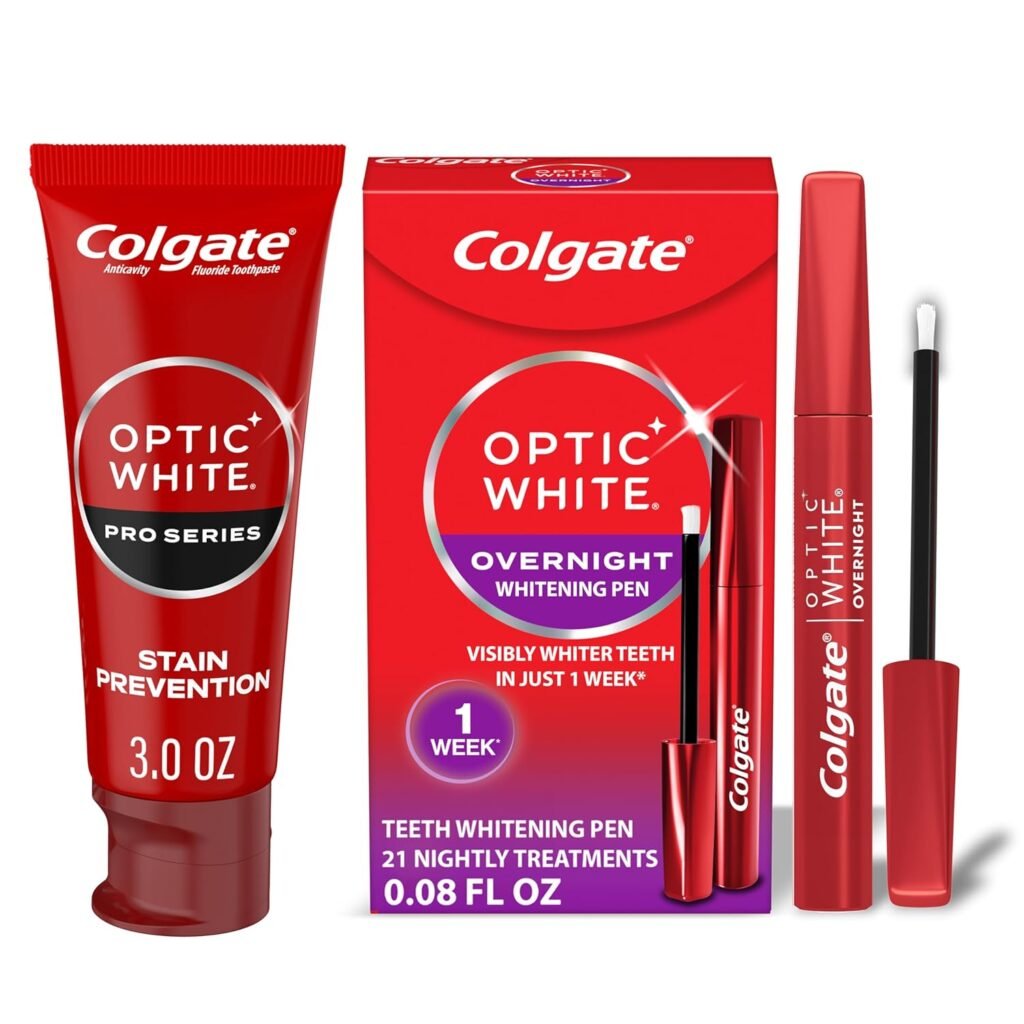
If you choose a natural route, ensure it still carries a seal of approval from a recognized dental body and has a low RDA score. Without fluoride, you are essentially cleaning your teeth but leaving them defenseless against cavities.
Best Practices for Safe Brightening
You don’t have to give up on a whiter smile. You simply need to be strategic.
- Check the RDA Score: Look for brands that stay below 100 RDA for daily use.
- The Two-Week Rule: Use a whitening toothpaste for two weeks to lift stains, then switch to a sensitive or “enamel-repair” toothpaste for the rest of the month.
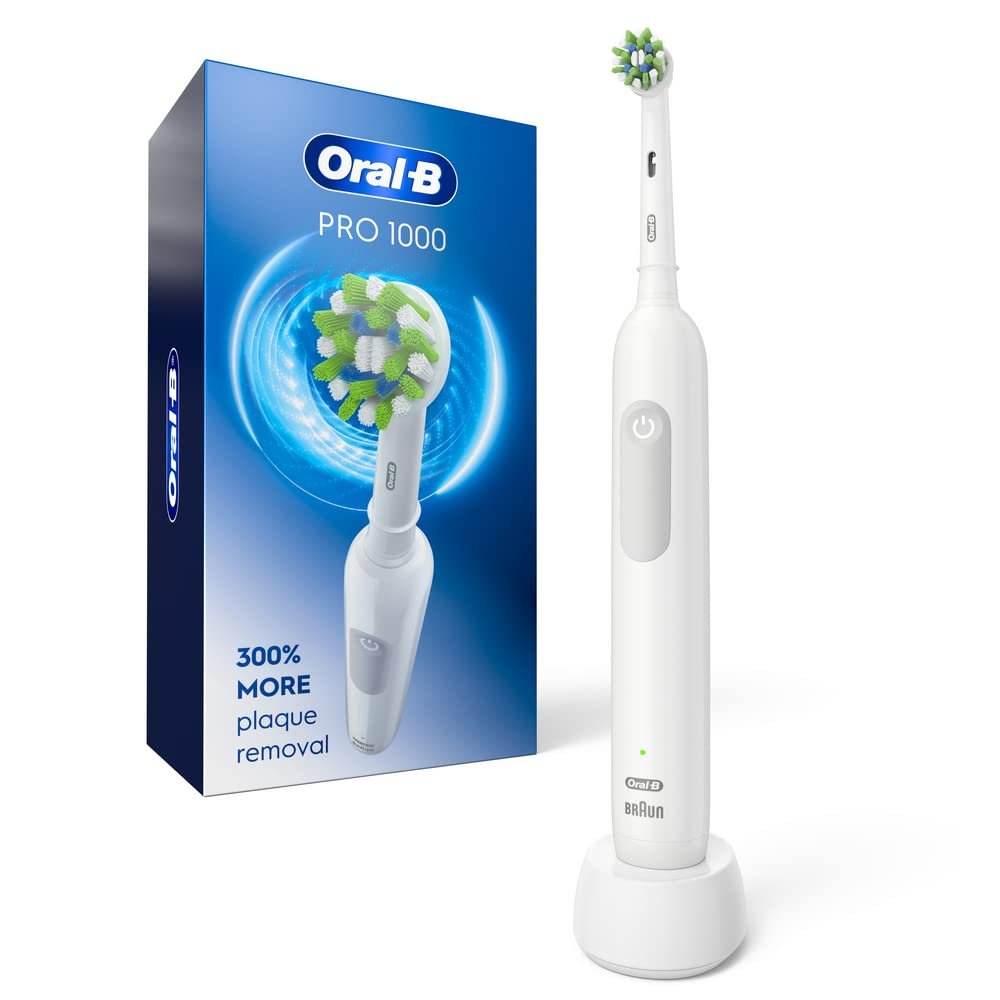
- Soft Brushing: Always use a soft-bristled brush. Let the paste do the work; don’t scrub like you’re cleaning grout.
- Rinse After Acids: If you drink coffee or soda, rinse with water immediately. Don’t brush for at least 30 minutes, as the acid softens enamel, making it more vulnerable to abrasion.
Check out our guide on: Does Whitening Toothpaste Work? The Truth About Surface Stains
When You Should Avoid Whitening Toothpaste Entirely
There are certain scenarios where a dentist will tell you that whitening toothpaste is definitely “bad” for your specific situation:
- Exposed Roots: Roots don’t have enamel. They are made of dentin, which is much softer and easily damaged by abrasives.
- Existing Restorations: Whitening toothpaste will not change the color of crowns, veneers, or composite fillings. Using abrasives on them can actually scratch the porcelain or resin, making them lose their luster.
- Severe Sensitivity: If you already have thin enamel, the abrasives will exacerbate the nerve pain.
- Children: Children’s enamel is not as thick or mineralized as adult enamel. Whitening products are generally not recommended for those under 12–16 years old.
Consulting the Professionals
The best way to determine the health of your enamel is through a professional evaluation. A dentist can use transillumination or visual exams to see if your enamel is thinning and recommend a brightening regimen that won’t cause permanent damage.
Whether you’ve noticed sudden sensitivity or you’re just looking to start a new oral beauty routine, getting an expert opinion ensures you aren’t doing more harm than good. Our team specializes in balancing aesthetic goals with long-term biological health.
If you are worried about your enamel or want a safer way to brighten your smile, we are here to help. Our experts can provide a customized plan that protects your teeth while giving you the confidence of a whiter smile.
FAQs
Can I use whitening toothpaste every day?
Most standard whitening toothpastes are designed for daily use, but it depends on the product’s RDA score. If you have sensitive teeth, it is better to use it only 2–3 times a week or consult your dentist for a low-abrasion recommendation.
Does whitening toothpaste actually change the color of my teeth?
It typically only removes surface stains (extrinsic stains). It does not change the natural genetic color of your teeth or remove deep (intrinsic) stains. For that, you would need professional chemical bleaching.
Why do my teeth hurt after using whitening toothpaste?
This is usually due to the abrasives wearing down the enamel or irritating the gum line, exposing the nerve endings in the dentin. If pain persists, stop using the product immediately.
Is charcoal toothpaste safer than regular whitening toothpaste?
Actually, it can be riskier. Many charcoal toothpastes are too abrasive for daily use and lack fluoride, which can lead to increased tooth decay and enamel erosion over time.
How long does it take to see results?
Most people notice a difference in surface stains within 2 to 6 weeks of consistent use. However, the results are often subtle compared to professional treatments.
Conclusion: Balancing Beauty and Health
So, is whitening toothpaste bad? The reality is that it is a tool—and like any tool, it can be misused. When used as a supplemental part of your routine to manage surface stains from your morning coffee, it is a safe and effective option. However, when used aggressively on thin enamel or sensitive teeth, it can lead to permanent wear and increased discomfort.
Key Takeaways:
- Focus on RDA: Choose low-abrasion formulas to protect your enamel.
- Moderation is Key: Don’t feel the need to use whitening formulas 365 days a year.
- Protect the Foundation: Healthy enamel is more important than a temporary shade of white.
If you’re ready to take the next step toward a healthier, brighter smile, start by switching to a soft-bristled brush and checking the labels on your favorite paste. Your enamel will thank you for years to come.