
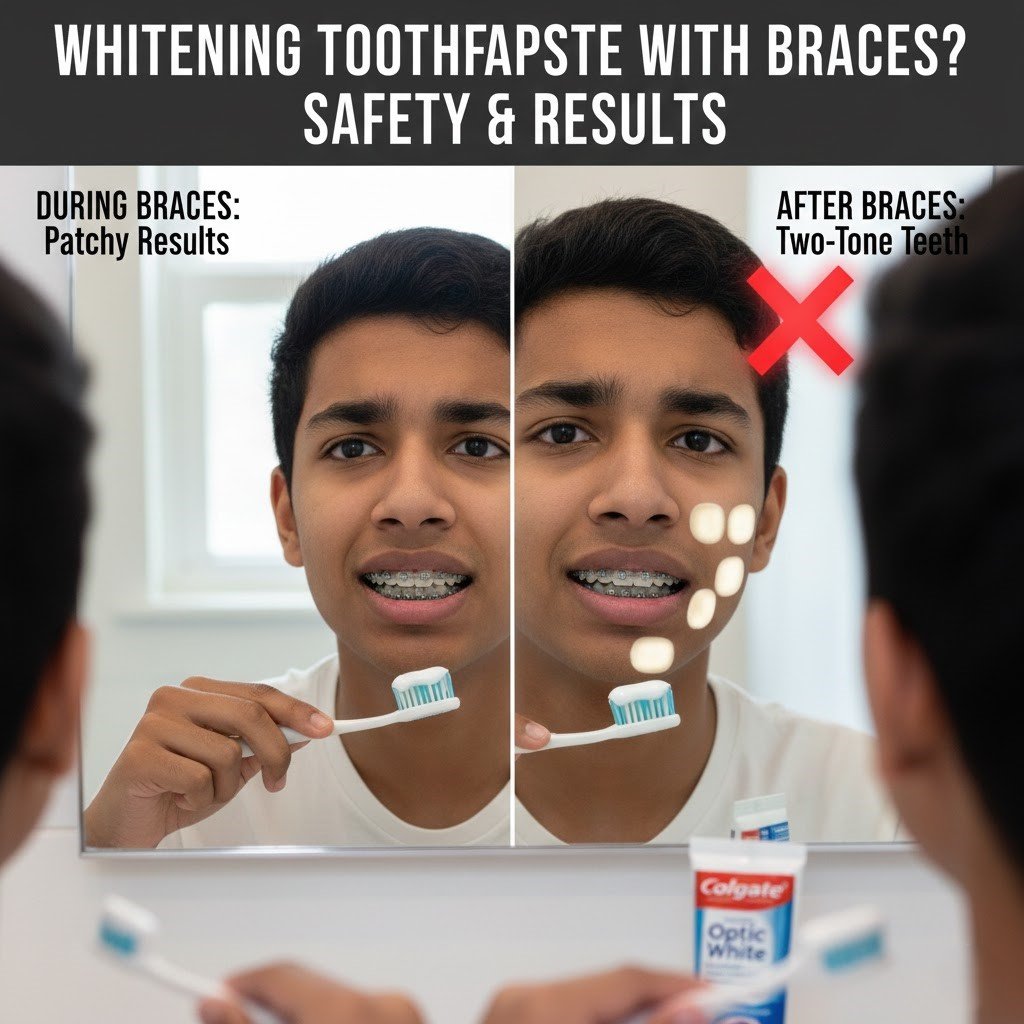
Can You Use Whitening Toothpaste With Braces? Safety & Results
Embarking on an orthodontic journey is an investment in your future confidence. However, as you navigate the world of brackets and wires, a common concern arises: how do you keep your teeth white during treatment? You might find yourself standing in the dental aisle wondering, can you use whitening toothpaste with braces, or will it cause more harm than good?
The desire for a bright smile is understandable, but the mechanics of braces change how dental products interact with your enamel. Using the wrong products now could lead to unintended consequences that only become visible once your braces are removed. In this comprehensive guide, we will explore the science of whitening during orthodontics, the risks of uneven coloring, and the best ways to maintain a brilliant smile safely.
The Science: How Whitening Toothpaste Interacts with Brackets
To answer the question of whether you can use whitening toothpaste with braces, we first have to look at the anatomy of the bracket. When an orthodontist bonds a bracket to your tooth, they use a medical-grade adhesive that covers a specific portion of the facial surface of the tooth.
Whitening toothpastes work in two primary ways:
- Abrasives: These “scrub” surface stains off the enamel.
- Chemical Agents: Low concentrations of peroxides penetrate the surface to break down stains.
The problem? Toothpaste cannot reach the enamel underneath the bracket. If you use a potent whitening product for 18 to 24 months, you are essentially whitening the “border” of the tooth while the center remains the original shade.
The “Two-Tone” Risk: What Happens at Debonding?
The biggest risk of using whitening toothpaste with braces is the “square spot” phenomenon. When your braces are eventually removed (a process called debonding), you may find that the areas where the brackets were located are darker or more yellow than the surrounding enamel.
Why Does This Happen?
Because whitening agents only affect the exposed areas, the enamel protected by the bracket remains unchanged. Over time, the contrast becomes significant. While a dentist can often fix this with post-orthodontic whitening, it is an avoidable complication that can be frustrating after years of waiting for a perfect smile.
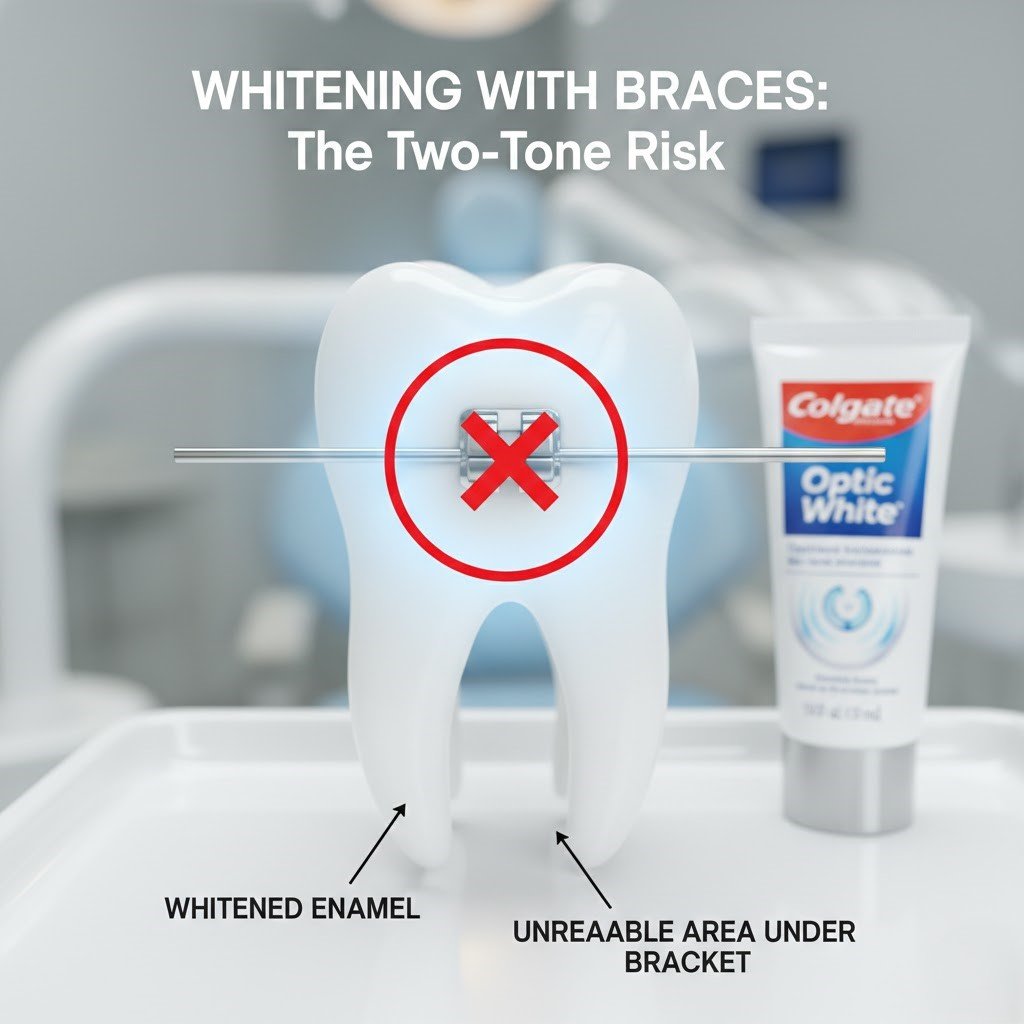
Caption: Brackets protect a portion of the tooth from topical treatments, including whitening agents.
Potential Complications: Sensitivity and Gum Health
Beyond the aesthetic risks, using whitening toothpaste with braces can lead to physical discomfort. Orthodontic treatment already involves moving teeth, which makes the nerves more sensitive.
- Increased Sensitivity: Many whitening pastes are highly abrasive or contain chemicals that can exacerbate the sensitivity caused by shifting teeth.
- Gum Irritation: Braces make it harder to rinse thoroughly. If whitening chemicals get trapped around the brackets or under the wires, they can cause localized gingival irritation or chemical burns on the gums.
When Is it Safe to Use? (The Nuance)
While most orthodontists recommend avoiding “Intense” or “Advanced” whitening pastes, not all whitening products are created equal.
Surface Stain Removers vs. Bleaching Pastes
If your “whitening” toothpaste simply uses mild abrasives like hydrated silica to remove surface debris from coffee or tea, it is generally safe for occasional use. These products don’t change the intrinsic color of the tooth; they just keep the surface clean. However, if the toothpaste contains hydrogen peroxide or carbamide peroxide, it is best to save it for after your braces come off.
Clear Aligners (Invisalign)
If you are using clear aligners instead of traditional metal brackets, the rules are slightly different. Since you remove the trays to brush, the toothpaste reaches the entire surface of the tooth. However, you should still be cautious of sensitivity, as aligners move teeth just like traditional braces do.
Better Ways to Keep Your Smile Bright During Braces
If you’ve decided that you shouldn’t use whitening toothpaste with braces but still want a bright smile, focus on these highly effective alternatives:
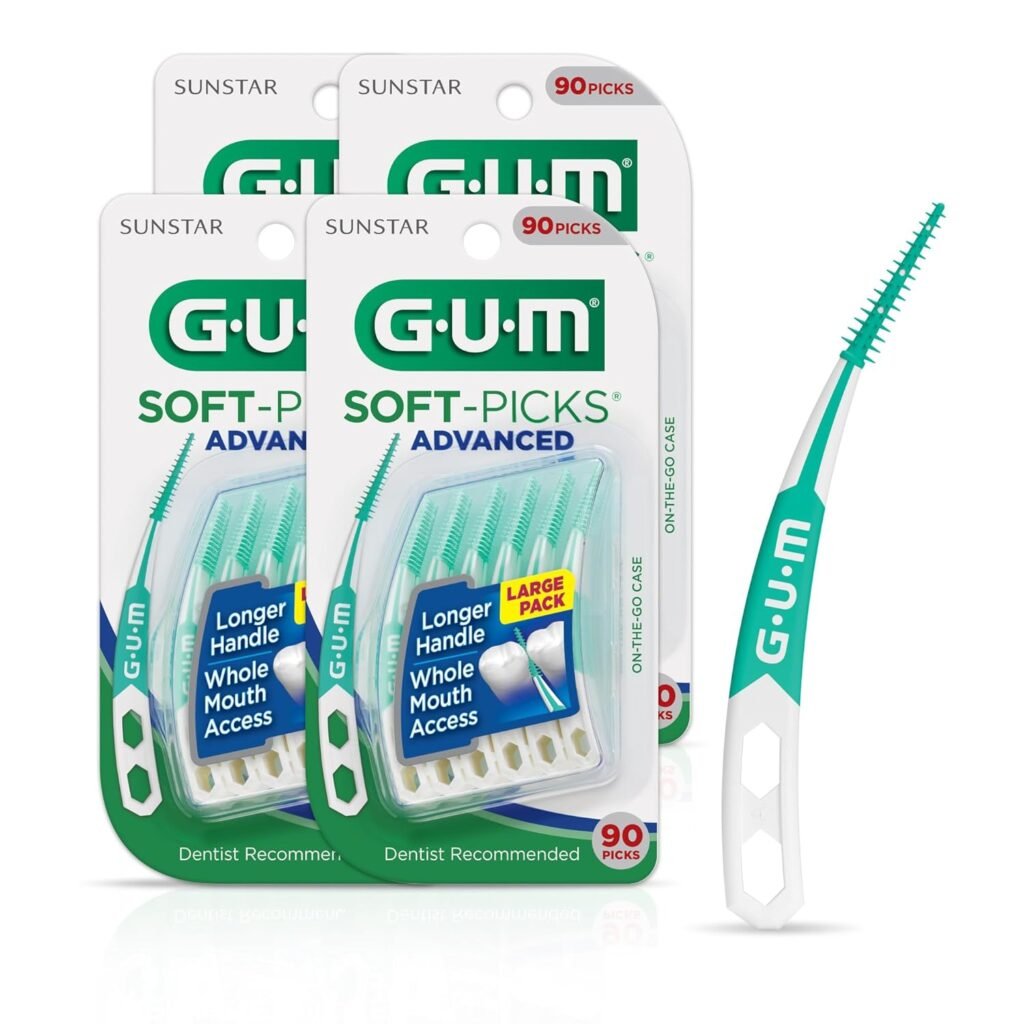
The Interproximal Brush: Use these small, Christmas-tree-shaped brushes to get under the wire and around the bracket. Removing plaque immediately prevents the yellow “filmy” look.
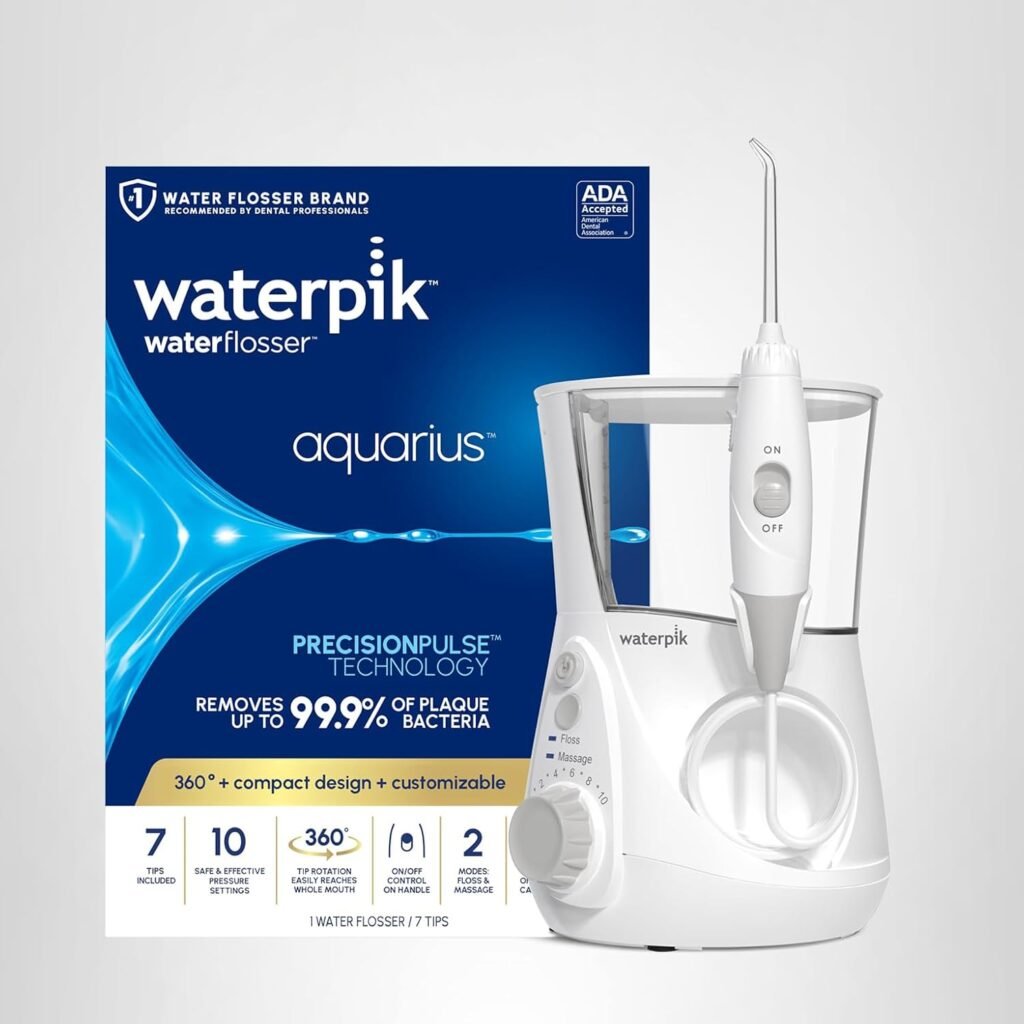
Water Flossers: These are elite at removing the food particles that lead to staining.
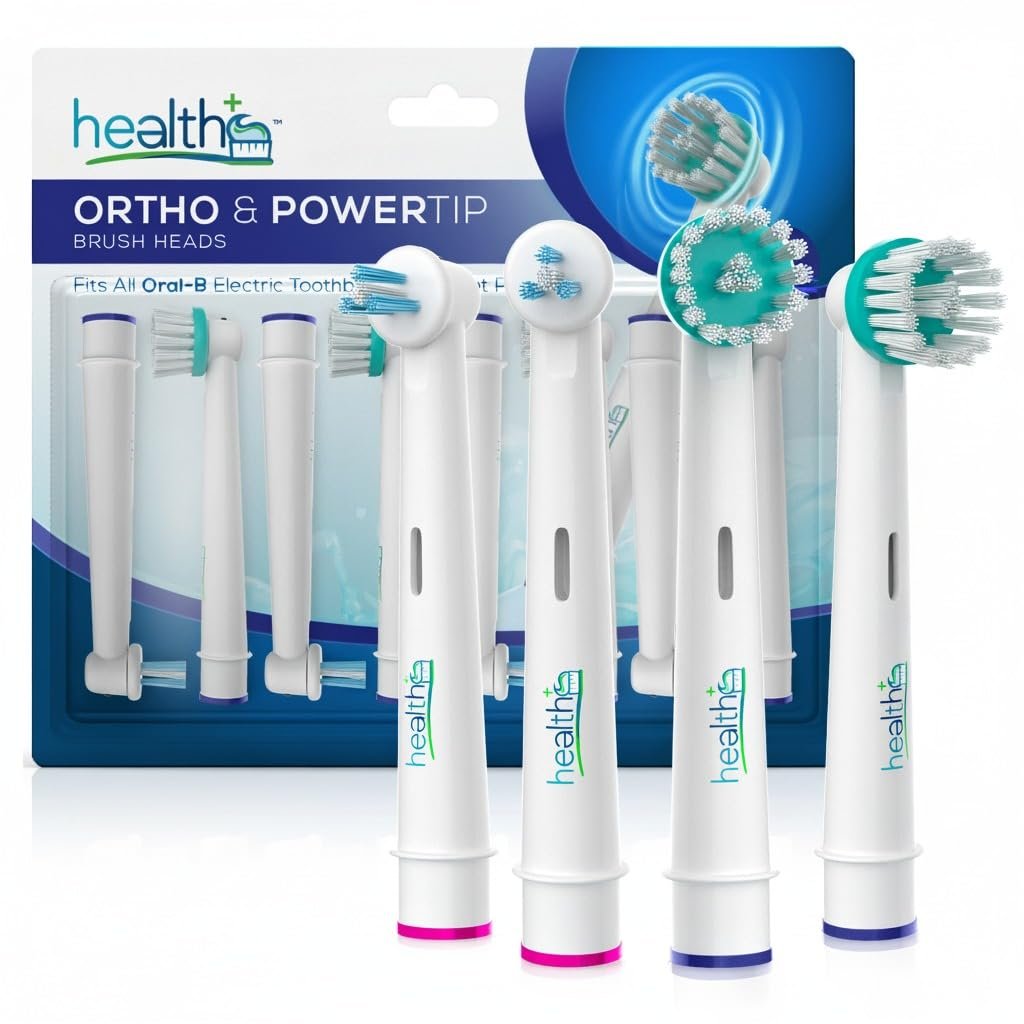
Electric Toothbrushes: Many have “ortho” heads designed specifically to vibrate around brackets without causing damage.
Professional Cleanings: Visit your general dentist every six months. They can perform a professional prophylaxis (cleaning) that safely removes stains without the risks of DIY whitening.
Comparison: Traditional vs. Whitening Toothpaste for Braces
| Feature | Regular Fluoride Toothpaste | Whitening Toothpaste |
| Enamel Protection | High (remineralizes) | Moderate (can be abrasive) |
| Uniformity | Maintains even color | Risk of “square spots” |
| Sensitivity | Low | Higher Risk |
| Suitability for Braces | Recommended | Use with Caution |
Post-Braces Whitening: The Best Strategy
The best time to whiten your teeth is 6 months after your braces are removed. Why the wait?
- Enamel Stabilization: Your enamel is often slightly softened after brackets are removed. It needs time to remineralize with the help of saliva and fluoride.
- Sensitivity Reduction: Your teeth need a “rest period” from the movement of orthodontics before being subjected to chemical whitening.
- Uniform Results: Once the brackets are gone, a professional whitening treatment can ensure a perfectly even, radiant shade across the entire tooth surface.
Check out Our Guide on: How to Make Homemade Whitening Toothpaste: Recipes & Risks
Expert Recommendations for Orthodontic Hygiene
Experience shows that patients who focus on meticulous hygiene rather than chemical whitening end up with the best results. To avoid the need for intense whitening later:
- Avoid dark liquids like balsamic vinegar, soy sauce, and red wine.
- Always brush after consuming highly pigmented foods (like turmeric or berries).
- Use a fluoride mouthwash to keep the enamel strong and resistant to stains.
Making the Right Choice for Your Smile
Navigating your orthodontic treatment requires a balance between short-term aesthetics and long-term health. While it might be tempting to reach for that “Extra White” tube, the safest answer to can you use whitening toothpaste with braces is usually to wait. Focus on plaque removal and gum health now, and you will be rewarded with a healthy, even, and beautiful smile on the day your braces finally come off.
FAQ: Whitening and Orthodontics
1. Will whitening toothpaste turn my teeth yellow under the braces?
No, the toothpaste won’t turn them yellow, but it will make the exposed areas whiter. This creates a contrast where the area under the bracket appears yellow by comparison once the braces are removed.
2. Can I use whitening mouthwash with braces?
Similar to toothpaste, whitening mouthwash contains peroxides that can cause uneven shading. It is safer to use a standard fluoride or antiseptic mouthwash during your treatment.
3. What if I already used whitening toothpaste? Should I worry?
Don’t panic. If you’ve only used it a few times, the effect is likely negligible. Simply switch to a standard fluoride toothpaste for the remainder of your treatment.
4. Are there any “braces-safe” whitening products?
Some brands offer “stain-repellent” toothpastes that don’t use peroxides. These are generally safer, but always check with your orthodontist before starting a new regimen.
5. Can I get a professional whitening treatment while wearing braces?
Most dentists will advise against it. It is difficult to get the whitening gel behind the wires and brackets, making it a poor investment with potentially patchy results.
Conclusion
In summary, while you can physically use whitening toothpaste with braces, it is generally discouraged by dental professionals. The risk of creating uneven tooth coloration, coupled with potential gum irritation and tooth sensitivity, far outweighs the minor benefit of surface stain removal.
- Wait until debonding: The best whitening results happen after the braces are off.
- Prioritize hygiene: Clean teeth look naturally whiter than teeth covered in plaque.
- Consult your orthodontist: They know your enamel quality best and can recommend safe products.
Your journey to a perfect smile is a marathon, not a sprint. By choosing the right tools today, you ensure that the big reveal on “Braces Off Day” is everything you hoped it would be.