
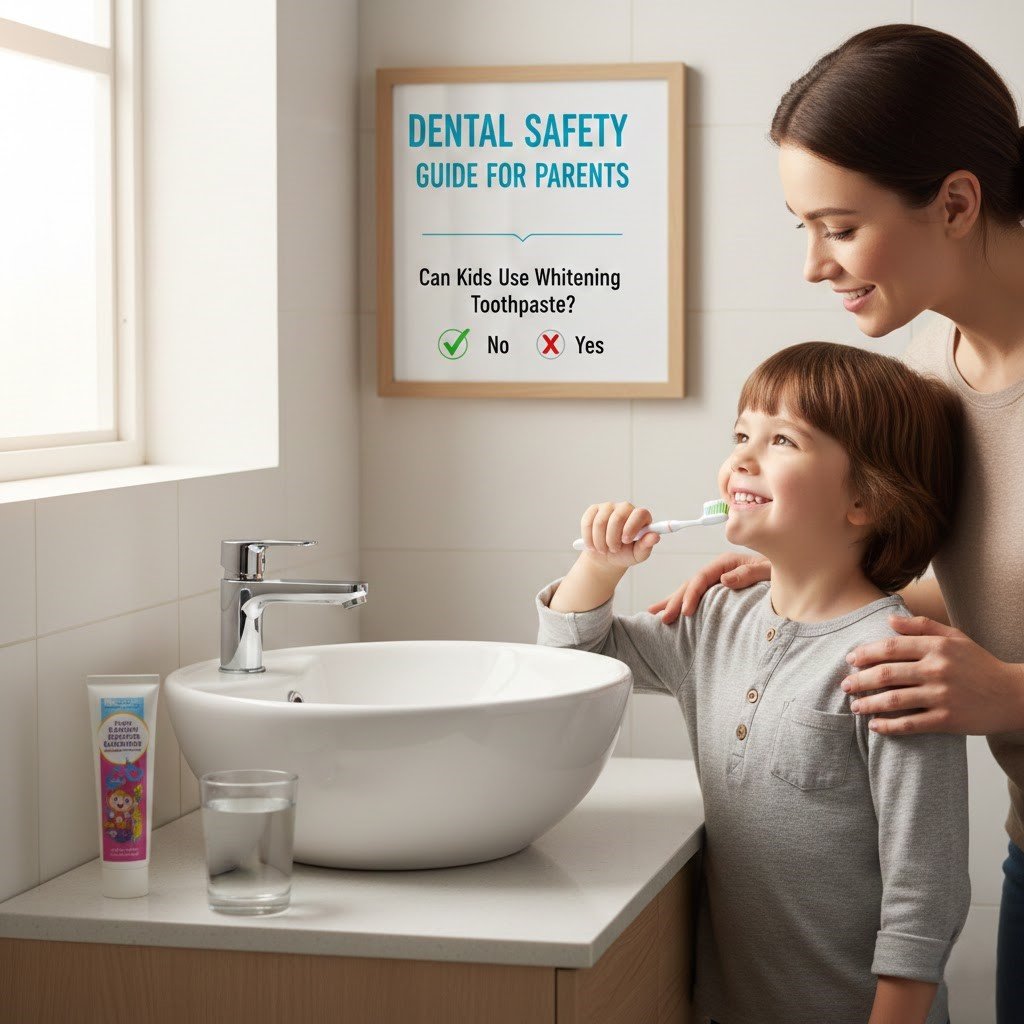
Can Kids Use Whitening Toothpaste? Dental Safety Guide for Parents
As parents, we pay close attention to every aspect of our children’s hygiene, from the shoes they wear to the food they eat. So, it is only natural to wonder about their dental care, especially when you notice their permanent teeth emerging with a slightly more yellow hue than their milky-white baby teeth. You might find yourself standing in the dental aisle asking: can kids use whitening toothpaste, or is it too harsh for their developing smiles?
While the desire to help your child achieve a bright, confident smile is understandable, the “whitening” products we use as adults are rarely suitable for children. A child’s oral anatomy is vastly different from an adult’s, and using products designed for mature enamel can lead to long-term sensitivity and structural damage. In this guide, we will explore the risks, the science behind developing teeth, and the safest ways to maintain your child’s dental health.
The Difference Between Baby Teeth and Permanent Teeth
To understand why the question of can kids use whitening toothpaste is so critical, we first need to look at the biology of a child’s mouth.
Children have two distinct sets of teeth: primary (baby) teeth and permanent teeth. Primary teeth are naturally whiter because they have a higher ratio of enamel to dentin. As permanent teeth begin to erupt, usually around age six, they often look “yellow” by comparison. This is perfectly normal. Permanent teeth contain more dentin—the naturally yellowish layer beneath the enamel—and have larger pulp chambers (nerves).
Because the enamel on newly erupted permanent teeth is still maturing and is thinner than adult enamel, it is highly susceptible to the abrasive nature of whitening products.
Why Most Dentists Say “Wait”
When parents ask if children can use whitening toothpaste, most pediatric dentists recommend waiting until at least age 12 or 13, or once all permanent teeth have fully erupted and the enamel has had time to harden.
The Problem with Abrasives
Most whitening toothpastes work through mechanical abrasion. They contain gritty particles like silica or calcium carbonate that “scrub” away surface stains. For a child, whose enamel is thinner and less mineralized, these abrasives can act like sandpaper, wearing down the enamel prematurely.
Chemical Concerns
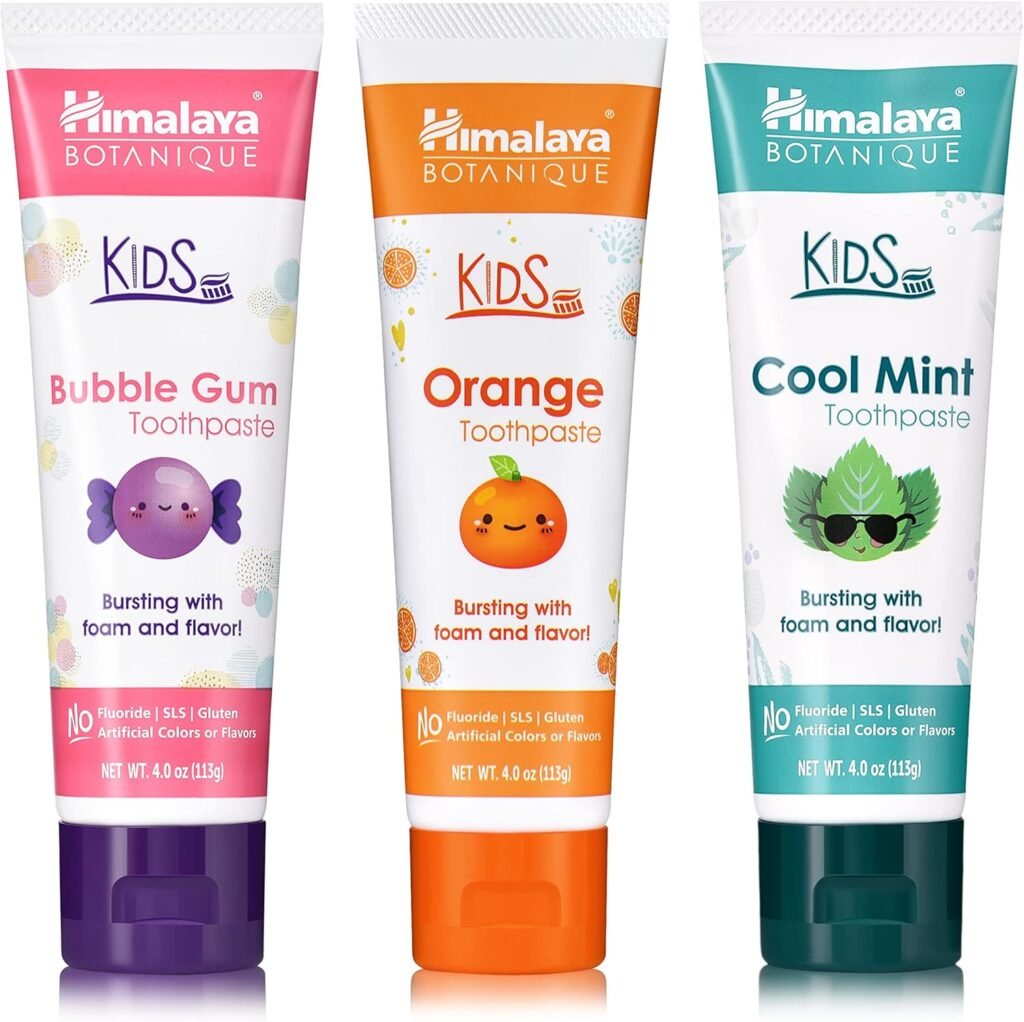
Many adult whitening pastes contain hydrogen peroxide or carbamide peroxide. These chemicals can be extremely irritating to a child’s sensitive gum tissue and can cause significant tooth sensitivity. Furthermore, children are more likely to swallow toothpaste, and ingesting whitening chemicals can lead to stomach upset or fluoride toxicity if the product is not specifically formulated for their age group.
Risks of Using Whitening Toothpaste Too Early
If a child uses whitening toothpaste before their teeth are ready, several complications can arise:
- Enamel Erosion: Permanent damage to the tooth’s outer layer that cannot be reversed.
- Increased Sensitivity: Thinned enamel allows hot and cold temperatures to reach the nerves more easily, leading to pain while eating or drinking.
- Gum Irritation: Chemical agents can cause redness, swelling, and discomfort in the soft tissues of the mouth.
- Uneven Coloring: If used while teeth are still erupting, the whitening may be inconsistent, leading to a patchy appearance later in life.
Safe Alternatives for a Brighter Childhood Smile
If you are concerned about your child’s tooth color, there are safer ways to brighten their smile without the risks associated with adult whitening products.
- Consistent Hygiene: The most effective “whitening” for kids is simply removing plaque. Ensure they brush twice a day for two minutes and floss daily.
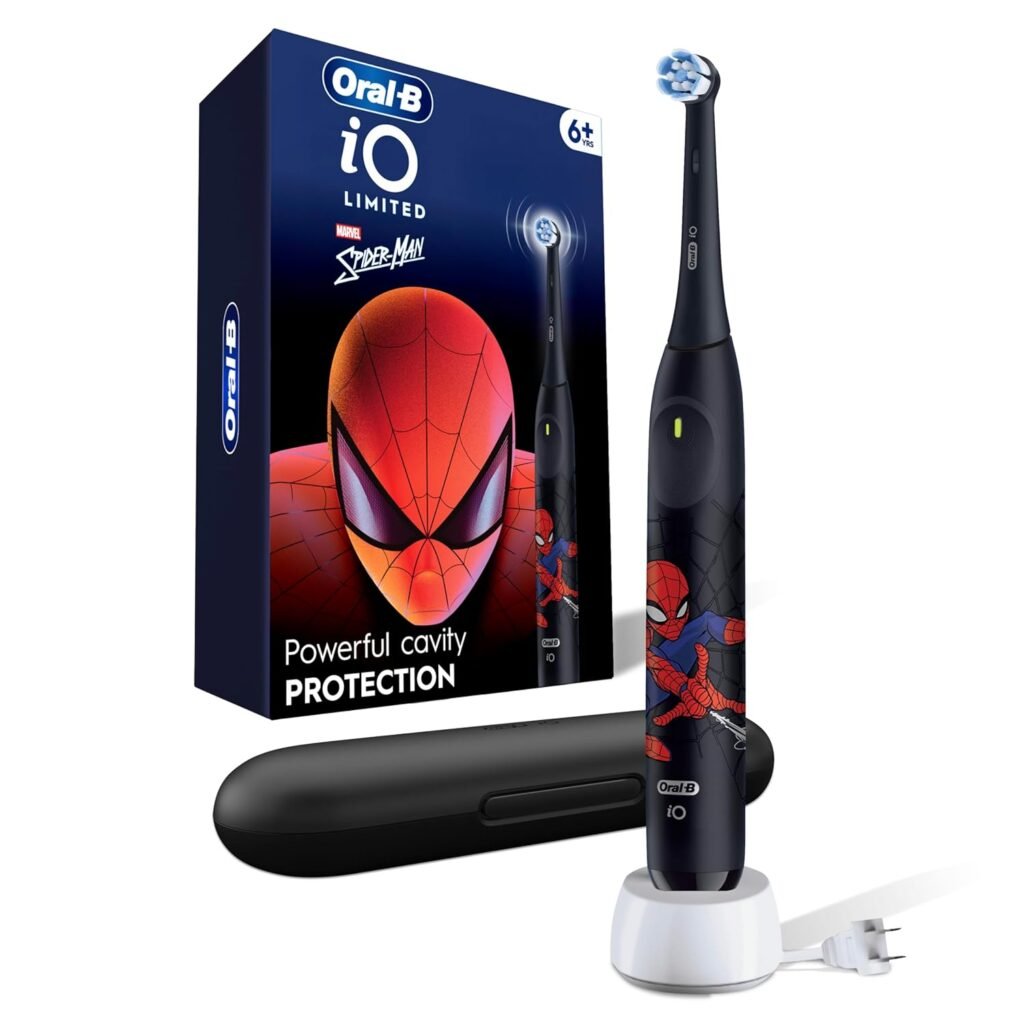
- Electric Toothbrushes: A child-sized electric toothbrush can remove more surface stains than a manual brush without the need for abrasive chemicals.
- Dietary Choices: Limit sugary snacks and dark-colored beverages like sodas or fruit juices, which can stain the teeth and contribute to enamel-eroding acid.
- Professional Cleanings: Regular visits to the dentist every six months allow for a professional polish that removes surface stains safely.
When Can They Start? A General Timeline
While every child is different, here is a general guideline for introducing whitening products:
| Age Group | Recommendation |
| 0–6 Years | Use only age-appropriate, fluoride-containing toothpaste. No whitening. |
| 7–12 Years | Focus on plaque removal and hygiene. Avoid adult whitening pastes. |
| 13+ Years | Once all permanent teeth are in, a low-abrasive whitening paste may be used under supervision. |
| 16+ Years | Professional whitening or whitening strips may be considered after a dental consultation. |
Learn more about our: How to Whiten Your Teeth Without Damaging Enamel
Reading the Label: What to Look For
If you are looking for a toothpaste for your child, ignore the “Whitening” labels and focus on these key ingredients:
- Fluoride: Essential for strengthening developing enamel and preventing cavities.
- ADA Seal of Acceptance: This ensures the product has been tested for safety and effectiveness.
- Low RDA Value: Look for a toothpaste with a low Relative Dentin Abrasivity score to ensure it is gentle on their teeth.
The Psychological Impact: Teaching Body Positivity
It is also important to talk to children about the natural color of teeth. In an age of social media filters and Hollywood veneers, children can become self-conscious about their smiles early on. Explaining that permanent teeth are naturally a bit “creamy” or “off-white” can help prevent unnecessary anxiety about their appearance.
Experience shows that children who focus on the health of their teeth—rather than the shade—develop better long-term oral hygiene habits.
How to Discuss Whitening with Your Child
If your teenager is asking for whitening products, use it as a teaching moment. Explain that their teeth are still maturing and that using harsh products now could cause pain later. Encourage them to focus on “the basics” first:
- Are they brushing for the full two minutes?
- Are they flossing every single night?
- Are they drinking enough water to wash away food particles?
Often, improving these three habits will naturally brighten the teeth by several shades without any chemical intervention.
Choosing the Best Path Forward
Every child’s smile is unique, and their dental needs change as they grow. While the pharmacy shelves are full of tempting whitening options, the safest approach for your child is always one rooted in professional guidance and patience. Protecting their enamel today is the best way to ensure they have a strong, healthy, and beautiful smile for the rest of their lives.
If you have noticed staining on your child’s teeth or have questions about which products are safest for their specific age and stage of development, we are here to provide expert, gentle care.
FAQ: Kids and Whitening Toothpaste
1. Is it safe for a 7-year-old to use whitening toothpaste?
Generally, no. At age seven, many permanent teeth are just starting to erupt. The enamel is still “soft” and thin, making it highly susceptible to damage from the abrasives found in whitening toothpaste.
2. Can whitening toothpaste cause white spots on a child’s teeth?
Whitening toothpaste itself doesn’t usually cause white spots, but it can make existing spots (caused by fluorosis or decalcification) more visible by whitening the surrounding enamel.
3. My child swallowed whitening toothpaste, what should I do?
If they swallowed a small amount, give them a glass of milk or water and monitor for an upset stomach. If they ingested a large amount, contact your pediatrician or a poison control center, as the peroxide and high fluoride levels can be harmful.
4. Are “natural” whitening toothpastes (like charcoal) safe for kids?
No. Charcoal toothpaste is often even more abrasive than standard whitening toothpaste and frequently lacks the fluoride necessary to protect a child’s teeth from cavities.
5. Why do my child’s new adult teeth look so yellow?
This is a very common observation! New adult teeth have more dentin and larger nerves than baby teeth, which makes them appear more yellow by comparison. As the rest of the baby teeth fall out, the color usually becomes less noticeable.
Conclusion
To summarize, while the question of can kids use whitening toothpaste is a popular one, the dental consensus is to avoid these products until the teenage years. The risks of enamel erosion, tooth sensitivity, and gum irritation far outweigh the aesthetic benefits for a developing child.
Next Steps for Parents:
- Stick to fluoride toothpastes formulated specifically for children.
- Focus on excellent brushing and flossing habits to prevent surface stains.
- Schedule a professional cleaning to remove stubborn stains safely.
By prioritizing the structural health of your child’s teeth over their brightness, you are giving them the gift of a functional, pain-free smile that will last a lifetime.