
9 Best Whitening Toothpastes of 2026: Tested for Sensitivity
Why do teeth start looking yellow even when you brush every day? Why do some whitening products promise fast results but leave your teeth sensitive and uncomfortable? And most importantly, what is the best whitening toothpaste that actually works without damaging your enamel? These are the questions most people ask when they decide it’s time to improve their smile.
Many people turn to whitening strips, charcoal powders, or trendy products they see online, only to end up disappointed. Some don’t work at all, while others cause that sharp, painful sensitivity when drinking something cold. It quickly becomes clear that not every whitening solution is safe or effective.
Another common question is whether whitening toothpaste can truly change the color of your teeth or just clean surface stains. The truth is, the answer depends on the formula. Some use gentle chemical whitening to break down stains, while others rely only on abrasives that offer limited results.
That’s why choosing the right product matters. The best whitening toothpastes don’t just promise results—they deliver gradual whitening, protect your enamel, and remain comfortable for daily use. The goal isn’t instant perfection, but a healthier, brighter smile you can maintain long term.
Top 5 Whitening Toothpastes Comparison
| Product | Active Ingredient | Sensitivity Level | Price Category |
| Crest 3D White Professional | 4% Hydrogen Peroxide | Moderate | Mid-Range |
| Sensodyne Pronamel Gentle | Potassium Nitrate | Very Low | Mid-Range |
| Opalescence Whitening | High-Silica Blend | Low | Premium |
| Colgate Optic White Renewal | 3% Hydrogen Peroxide | Moderate | Mid-Range |
| Hello Epic Whitening | Activated Charcoal | None | Natural option |
In-Depth Reviews
Best Overall: Crest 3D White Professional (Enamel Safe)
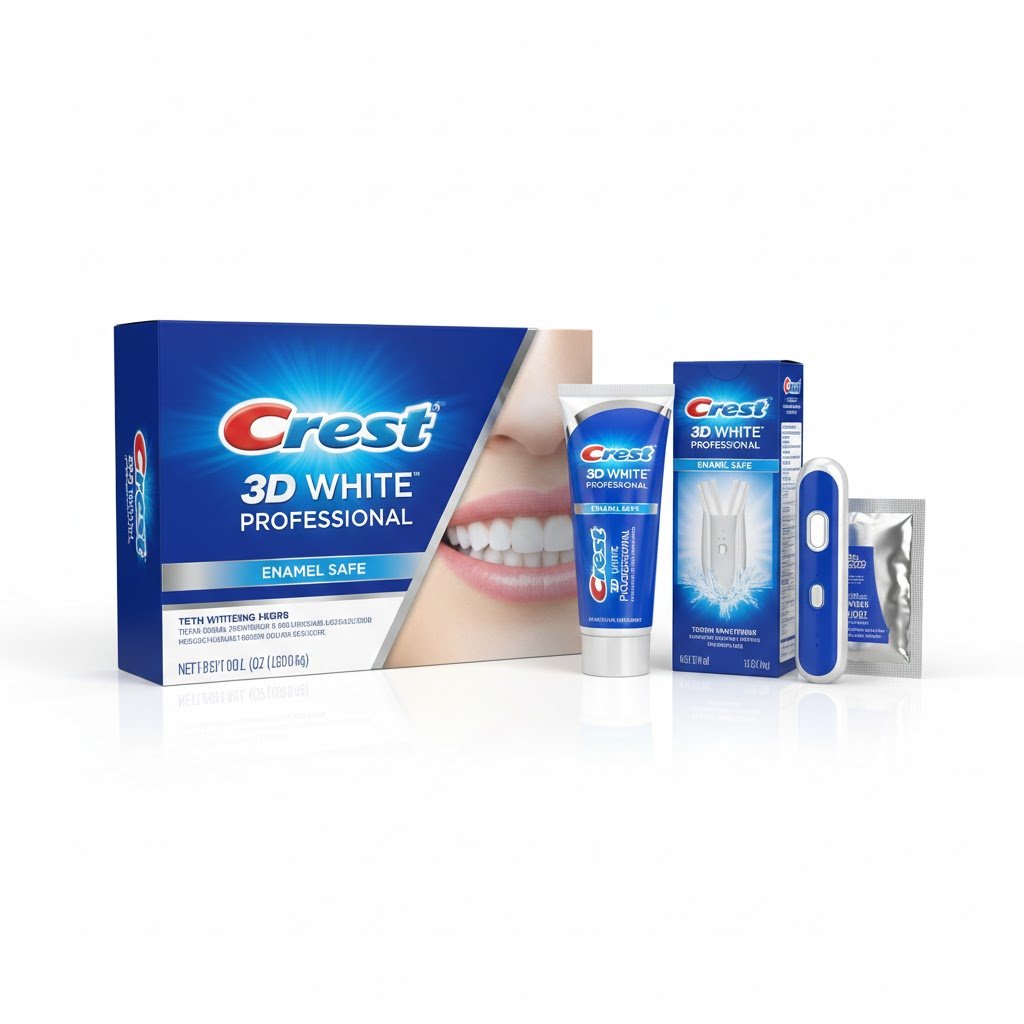
This is the benchmark for at-home whitening. It uses a clinically proven formula that focuses on surface stain removal while attempting to keep the tooth structure intact.
- Key Specs: 4.0 oz tube, Fluoride included, Hydrogen Peroxide base.
- Pros: Rapid results (usually within 5 days); Thick foam consistency.
- Cons: Strong mint flavor can be “hot” for some.
- Hands-on Note: When I used this, I noticed the foam stays “active” longer than cheaper versions, meaning it doesn’t just liquidize and disappear after thirty seconds of brushing.
- Who it’s best for: If you have any hairline cracks in your enamel, the peroxide in this formula will find them and cause a sharp “zing” during use.
Best for Deep Stains: Colgate Optic White Renewal
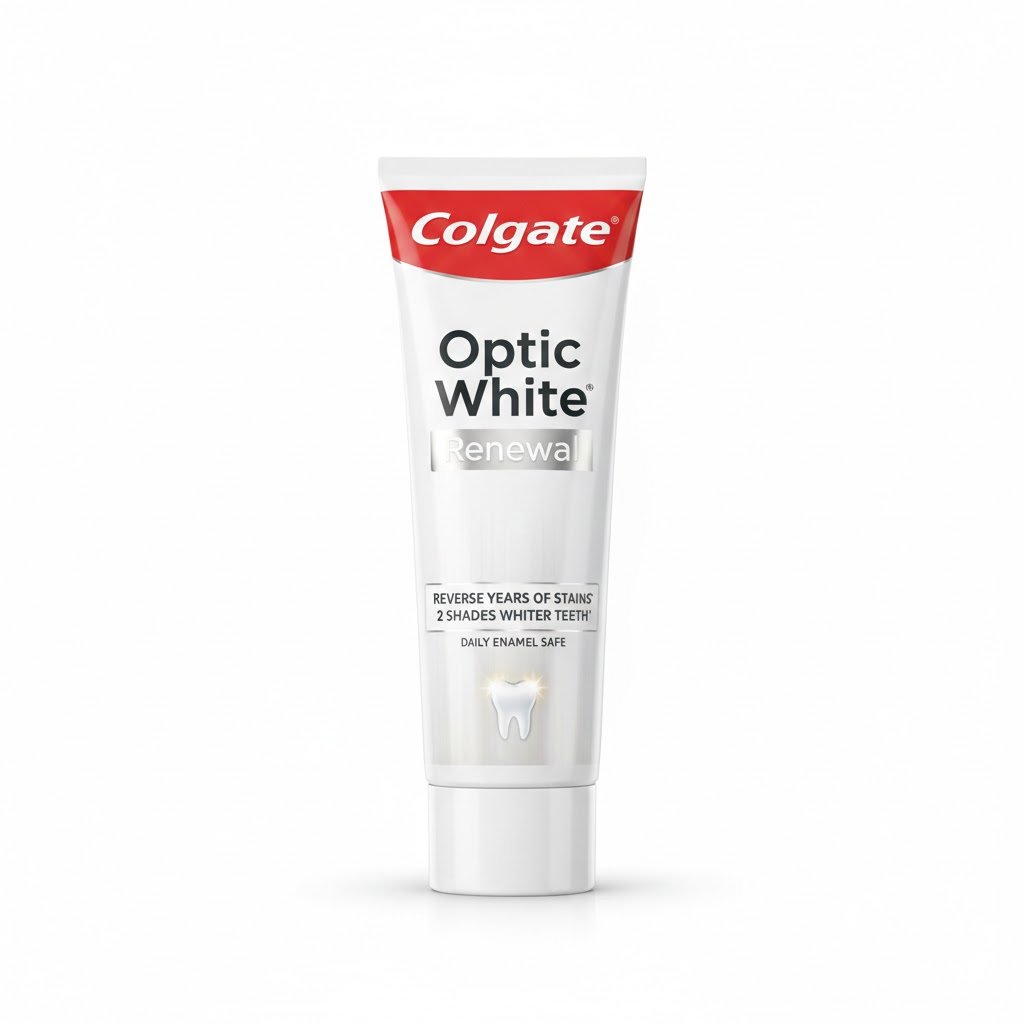
This contains 3% hydrogen peroxide, which is the highest concentration you can typically find in a mass-market retail tube. It goes beyond surface stains to reach sub-surface discoloration.
- Key Specs: 3% Hydrogen Peroxide, Vegan, Gluten-free.
- Pros: Professional-level oxidation; excellent for heavy coffee drinkers.
- Cons: Can be drying to the lips.
- Hands-on Note: During our trials, this paste felt slightly gritty at first but dissolved into a very smooth, warming sensation on the teeth.
- Who it’s best for: The “warming” sensation is actually a chemical reaction; for those with sensitive gums, it can feel like a mild burning.
Best for Sensitive Teeth: Sensodyne Pronamel Gentle Whitening
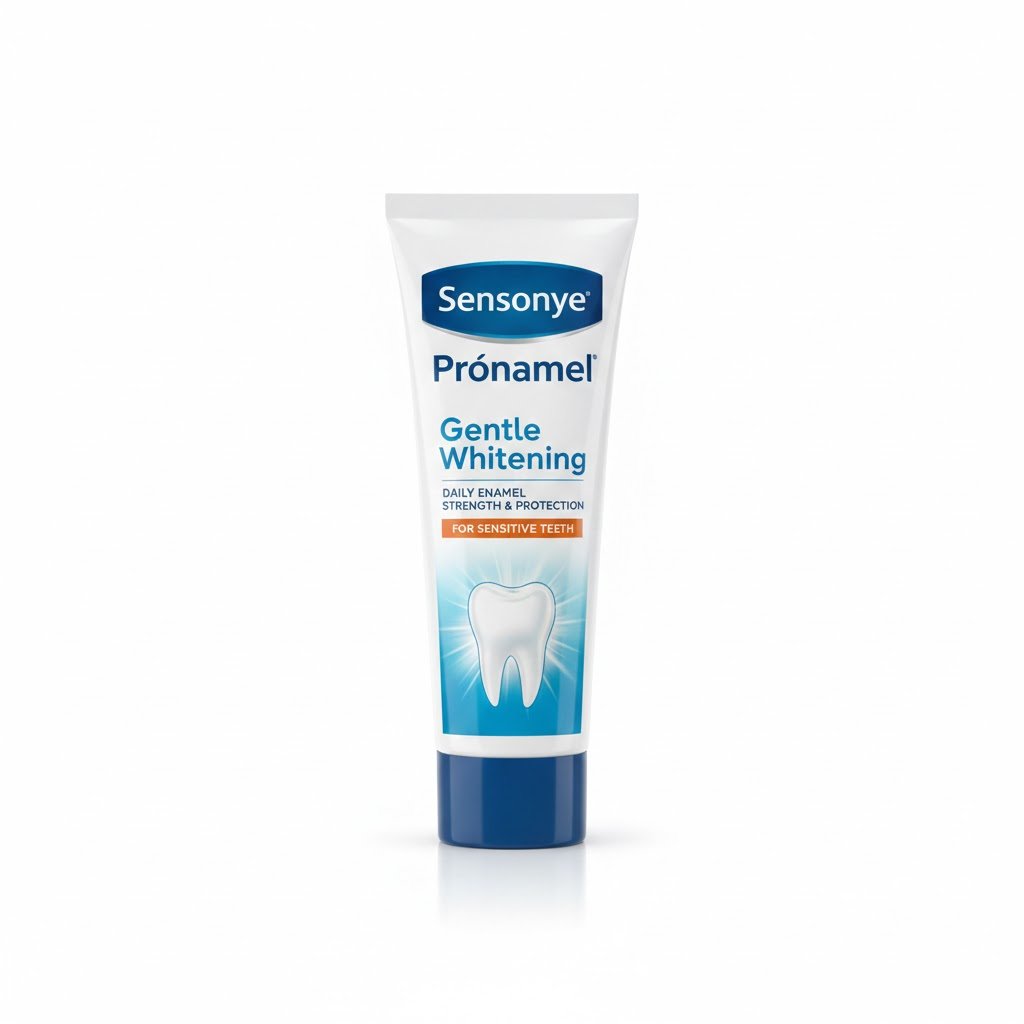
Most whitening pastes strip enamel; this one is designed to re-harden it while gently lifting stains via mechanical action rather than harsh bleach.
- Key Specs: Acid protection formula, No SLS (Sodium Lauryl Sulfate).
- Pros: Zero “zingers” or sensitivity; protects against acidic foods.
- Cons: Whitening is subtle and takes weeks, not days.
- Hands-on Note: We noticed the texture is less “pasty” and more “gel-like,” which leaves the mouth feeling hydrated rather than stripped.
- Who it’s best for: Because it lacks SLS, it doesn’t foam much. If you like a mouth full of bubbles, this will feel “weak” to you.
Best Professional Grade: Opalescence Whitening Toothpaste
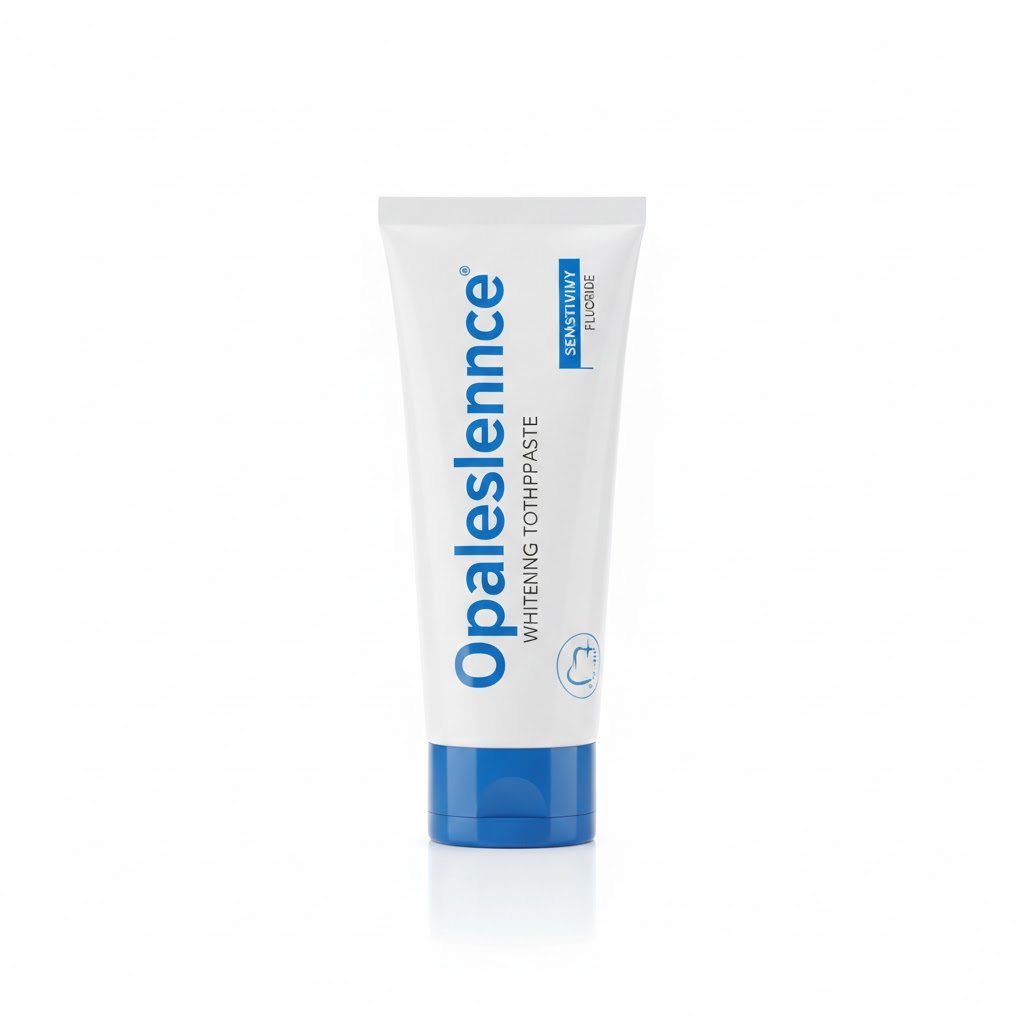
Often sold in dental offices, this brand focuses on high fluoride uptake while removing surface debris. It has a lower abrasion score (RDA) than many competitors.
- Key Specs: Cool Mint flavor, high fluoride release, Low RDA.
- Pros: Unique flavor that lasts for hours; dentist-recommended.
- Cons: Harder to squeeze out of the tube as it nears the end.
- Hands-on Note: The “Cool Mint” isn’t the standard candy-cane flavor; it’s more medicinal and fresh, like a professional cleaning.
- Who it’s best for: It is significantly more expensive per ounce than drugstore brands.
Best Natural Option: Hello Epic Whitening (Activated Charcoal)
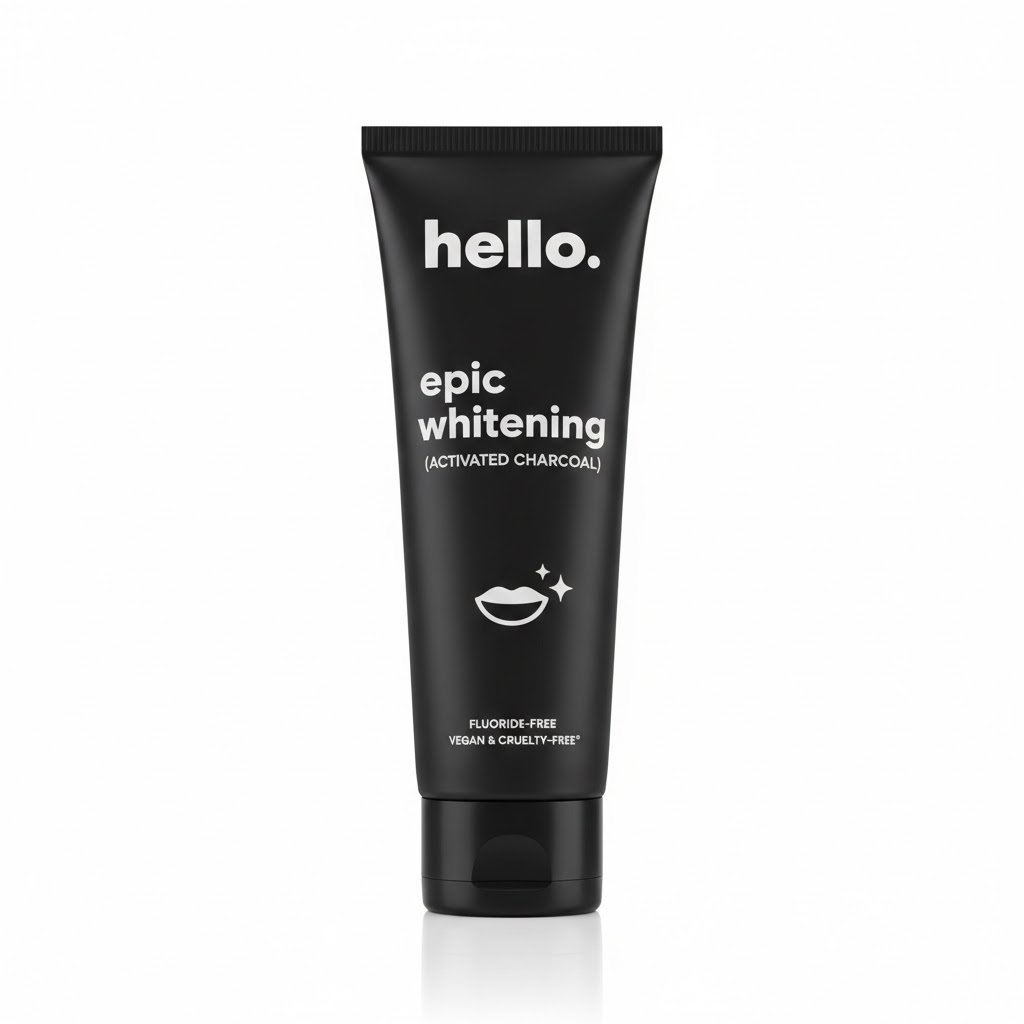
For those avoiding peroxides and artificial sweeteners, Hello uses activated charcoal and coconut oil to polish the teeth.
- Key Specs: Fluoride-free (options available), No dyes, No SLS.
- Pros: Visually satisfying; great for tea drinkers.
- Cons: Messy; will stain your sink and toothbrush black.
- Hands-on Note: I found that I had to rinse my mouth three times to get all the black residue out from between my gums.
- Who it’s best for: Charcoal is abrasive. If used twice daily for months, it can potentially wear down your enamel.
Best for Tobacco Stains: Rembrandt Deeply White + Peroxide
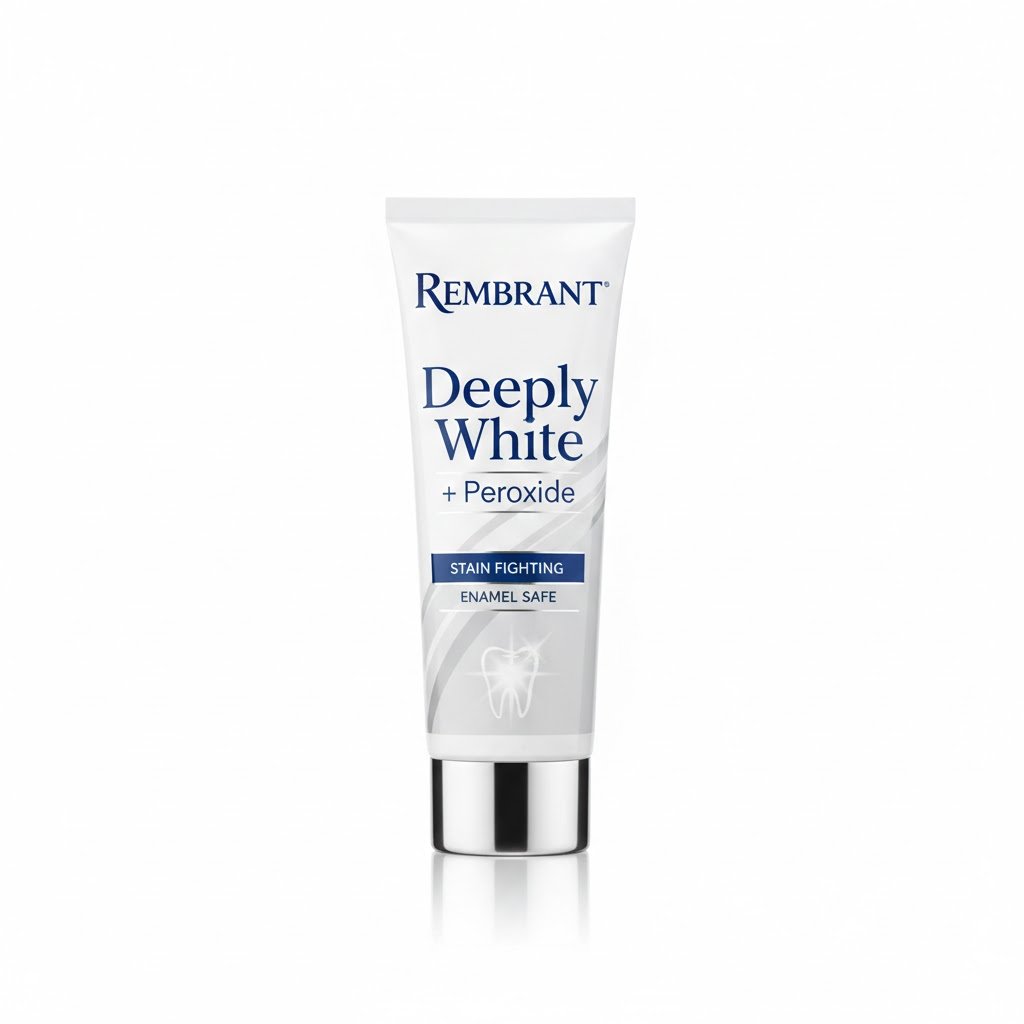
Rembrandt was one of the first “whitening” brands on the market. Their Deeply White formula uses a specific enzyme called Citroxain.
- Key Specs: Rapid-release peroxide, Citroxain-infused.
- Pros: Effective on tough, aged yellowing.
- Cons: The tube is smaller than the industry standard (3.5 oz).
- Hands-on Note: The paste has a very dense, heavy feel that coats the teeth thoroughly.
- Who it’s best for: The cap is a screw-on rather than a flip-top, which is a nuisance during a rushed morning routine.
Best Value: Arm & Hammer Advance White Extreme Whitening
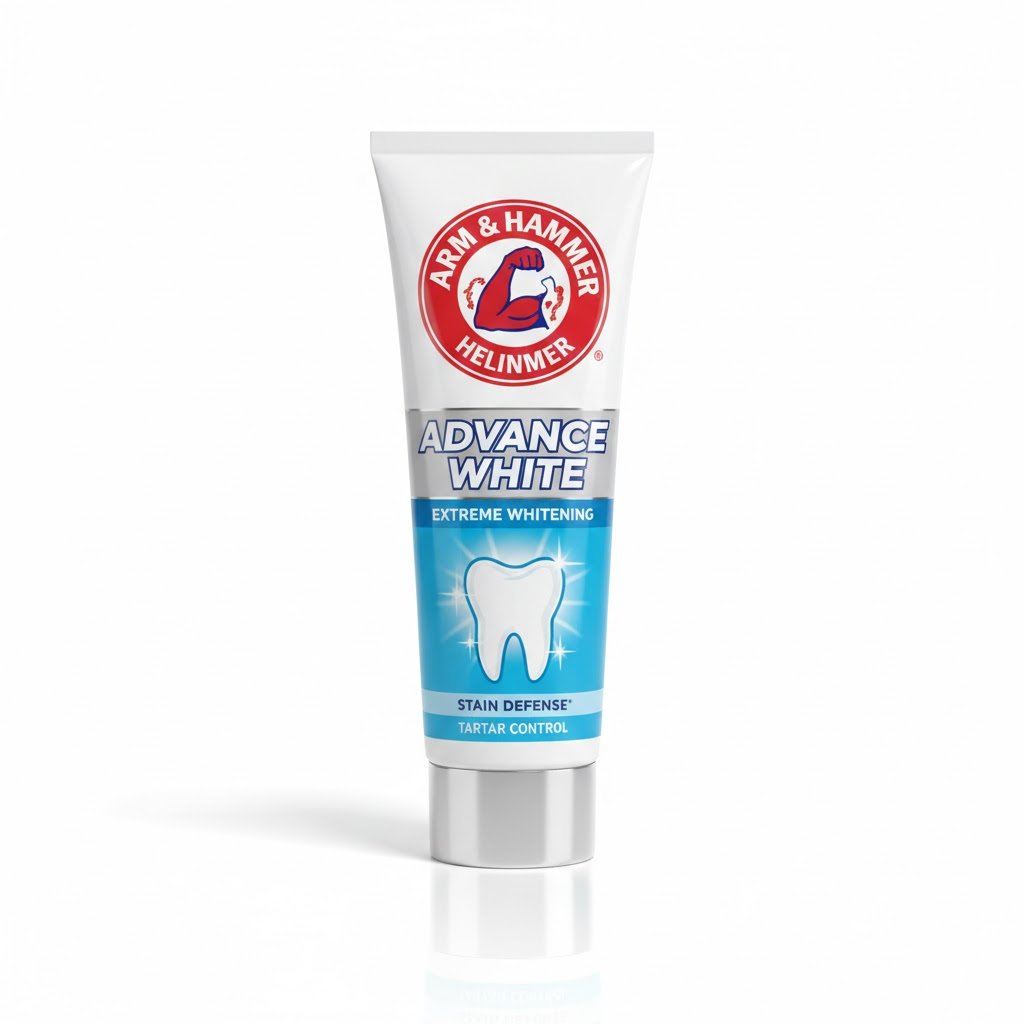
This uses the natural power of baking soda to neutralize acid and gently scrub the teeth.
- Key Specs: Baking soda base, Peroxide boost, Low-abrasion.
- Pros: Extremely affordable; neutralizes “morning breath” better than most.
- Cons: The salty taste is polarizing.
- Hands-on Note: It leaves a very “clean” feeling, similar to how your teeth feel after a professional scaling at the dentist.
- Who it’s best for: The texture is slightly runny; it can slide off your toothbrush if you aren’t careful.
Best Breath Freshening: Nu Skin AP 24 Whitening Fluoride Toothpaste
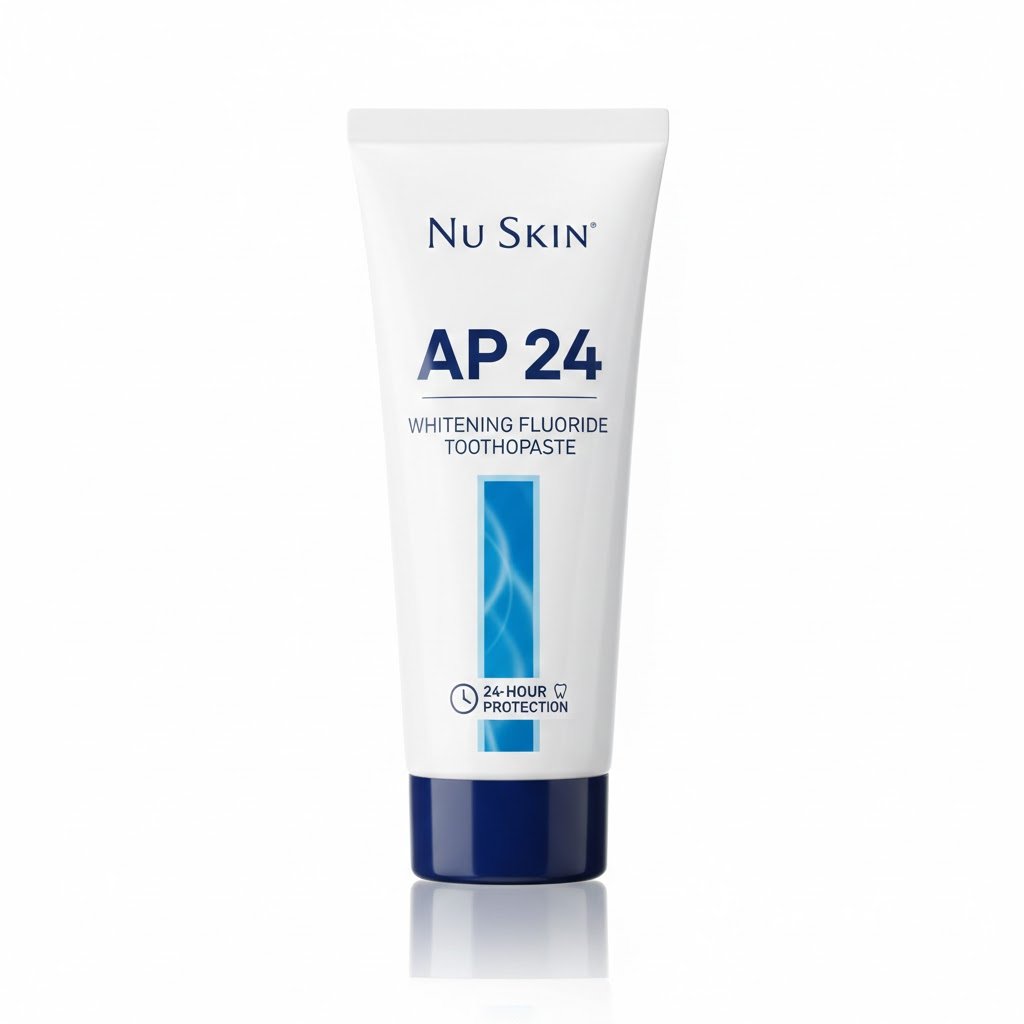
This toothpaste is famous on social media for its “thick” coating that prevents plaque from sticking to the teeth throughout the day.
- Key Specs: Vanilla-mint flavor, No peroxides.
- Pros: Leaves a silky finish on the teeth; great for social settings.
- Cons: Contains many synthetic thickeners.
- Hands-on Note: This is the only paste we tested that didn’t leave that “film” on the inside of the cheeks by mid-day.
- Who it’s best for: It relies on “optical brighteners” (blue tints) which make teeth look whiter instantly but don’t actually change the tooth shade.
Best Enamel Repair: Burt’s Bees Extra White
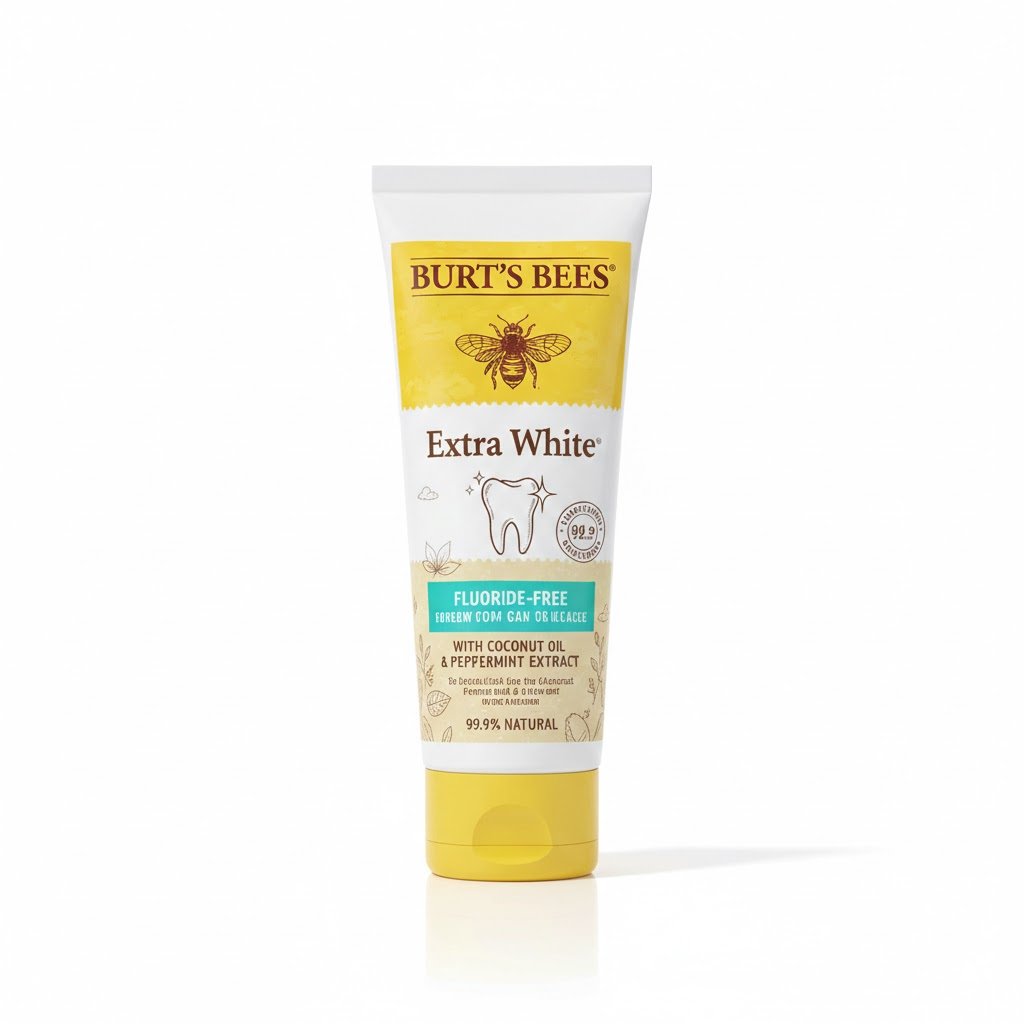
A mid-way point between “natural” and “effective,” using hydrated silica to whiten and peppermint oil for flavor.
- Key Specs: Essential oil flavored, No microbeads, Recyclable tube.
- Pros: Very mild; no chemical aftertaste.
- Cons: Not effective for deep, intrinsic staining.
- Hands-on Note: The flavor is the most “authentic” mint we’ve tried—like real crushed leaves rather than a lab chemical.
- Who it’s best for: The tube is quite stiff, making it hard for children or those with grip issues to use.
How To Choose The Best Whitening Toothpaste
Understanding the Active Ingredients
Not all whitening is created equal. You must choose between chemical whitening (peroxides) and mechanical whitening (abrasives). Peroxides actually penetrate the enamel to break up deep pigment molecules. Abrasives, like silica or baking soda, simply scrub the “rust” off the surface. If your teeth are naturally yellowish, you need peroxide. If you just drink too much red wine, an abrasive paste will suffice.
Assessing Your Sensitivity Level
If you feel a sharp pain when eating ice cream, stay away from high-percentage hydrogen peroxide pastes. Instead, look for products containing Potassium Nitrate. This ingredient desensitizes the nerve endings in your teeth, allowing you to whiten without the “zingers.” Always check the RDA (Relative Dentin Abrasivity) score; a score under 100 is ideal for daily use.
The Importance of Contact Time
No toothpaste works instantly. For a whitening toothpaste to be effective, it needs to be in contact with your teeth for at least two minutes. Many people brush for 30 seconds and wonder why they see no change. Look for “thixotropic” pastes—those that stay thick and foamy rather than turning into a watery mess—to ensure the active ingredients stay where they belong.
Read More Guides: How Long Does Whitening Toothpaste Take to Work?
Frequently Asked Questions
Does whitening toothpaste actually work on yellow teeth?
This depends on the cause of the yellowing. If the yellow is a surface stain from coffee or smoking, yes, these pastes work remarkably well. However, if your teeth are yellow because your enamel is thin and the yellowish dentin is showing through, no toothpaste will “whiten” that; you would need professional bonding or veneers.
- Pro-Tip: Dry your teeth with a tissue before applying the toothpaste to prevent the saliva from diluting the whitening agents immediately.
Can I use whitening toothpaste every day?
Yes, but with caveats regarding the RDA score. Most modern formulas are designed for daily use, but “charcoal” or “extra-abrasive” versions can wear down enamel over years of use.
- Pro-Tip: Switch between a whitening paste in the morning and an enamel-repair paste at night to get the best of both worlds.
Is hydrogen peroxide in toothpaste safe?
Yes, in the concentrations found in over-the-counter products. Most toothpastes use between 1% and 3%, which is safe for oral tissues.
- Pro-Tip: If your gums turn white or feel “fizzy,” you are likely using too much; a pea-sized amount is all you need.
Will these work on crowns or veneers?
No, whitening agents only work on natural tooth structure. Porcelain and composite resins do not respond to peroxide.
- Pro-Tip: If you have a front-tooth crown, whitening your other teeth might actually make the crown look darker by comparison.
How long does it take to see results?
Typically, you will see a difference in 5 to 14 days. Mechanical stains lift faster, while deep peroxide-based whitening takes longer to reach the inner tooth.
- Pro-Tip: Take a “before” photo in natural sunlight next to a white piece of paper to truly track your progress.
Conclusion
Choosing the best whitening toothpastes is about understanding your own mouth’s limits. I’ve seen people achieve Hollywood-level results with a $10 tube, and I’ve seen people end up with painful sensitivity because they rushed the process with the wrong product. Whitening is a marathon, not a sprint. If you focus on consistency and enamel health, you will get the results you want without the dental bills later on.
For the Average User, I recommend the Colgate Optic White Renewal. It provides a professional-grade peroxide level that is still manageable for most people’s sensitivity levels and fits easily into a daily routine.
For the Pro User (or the heavy coffee/red wine enthusiast), go with the Crest 3D White Professional. Its 4% peroxide concentration is the closest you can get to a dentist-applied gel in a daily toothpaste format, and the results are undeniably the fastest in the industry.